

Sophia GED was honored to welcome Prof. Hikari Ishido and 30 students from Chiba University to join the “Field Study on Thailand’s Society and Economy,” held from 26 August to 5 September 2025. Over the course of 10 days, the program offered students a comprehensive and immersive experience across several key regions of Thailand, including Bangkok, Ayutthaya, Suphanburi, and Chonburi, enabling them to gain a multi-layered understanding of Thailand’s society, economy, culture, and ongoing development.
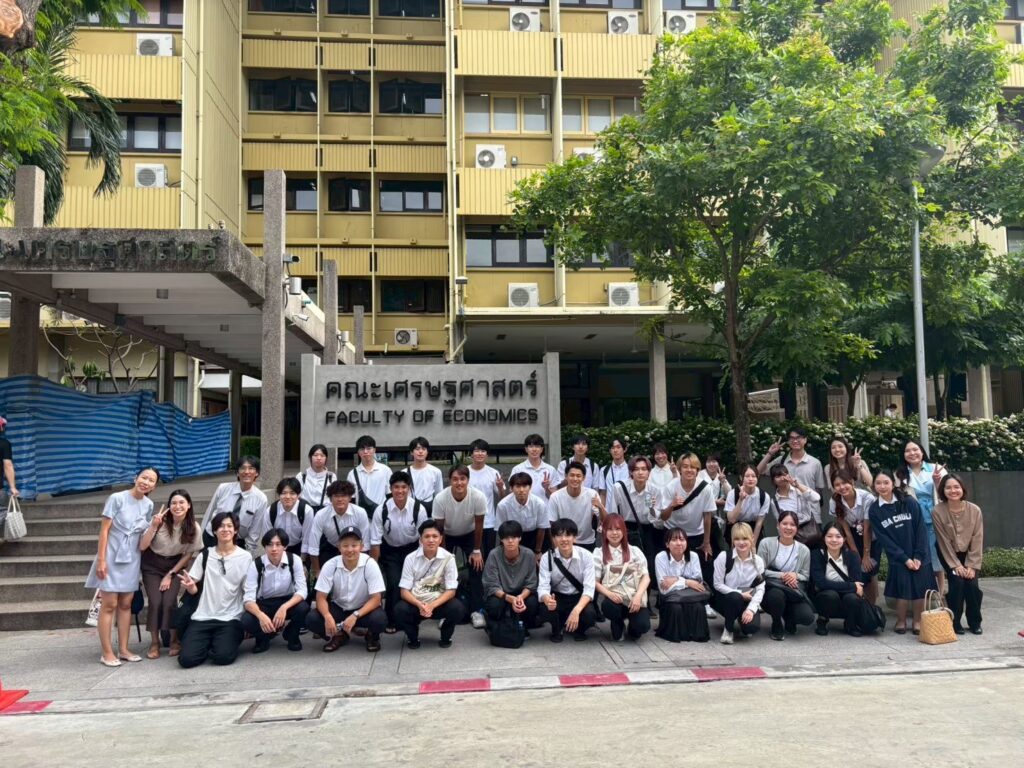
The program began with an academic exchange at Chulalongkorn University, Thailand’s leading institution, where students experienced what it feels like to be a Thai university student for a day. Asst. Prof. Katikar Tipayalai delivered an insightful lecture on the socioeconomic situation in ASEAN and Thailand, providing students with valuable context on regional integration, economic growth, and social challenges. The visit continued with an interactive campus tour guided by Chulalongkorn University student representatives, allowing participants to observe the learning environment, academic facilities, and daily campus life.


The group visited the ancient capital of Ayutthaya, a UNESCO World Heritage site known for its historic temples and ruins. Students explored key landmarks, learned about Thailand’s historical development, and enjoyed cultural activities such as elephant riding, gaining a deeper appreciation of Thai heritage.

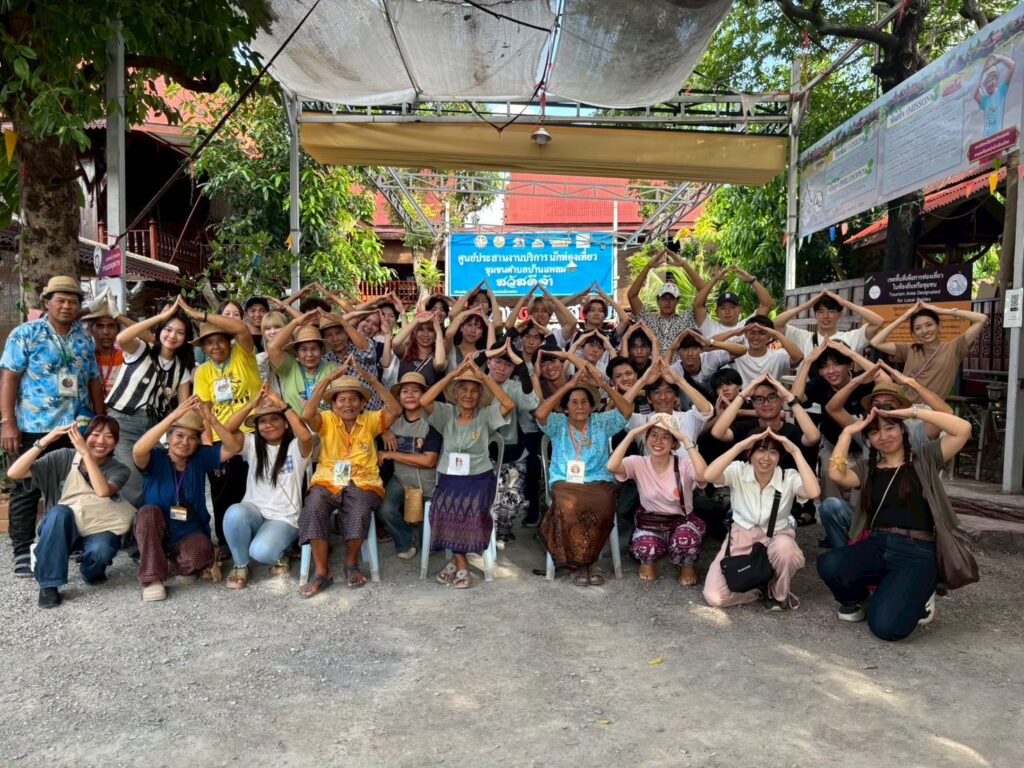
The journey continued to Suphanburi, where the Baan Laem community welcomed the group with traditional folksongs and a warm, family-like atmosphere. Students took part in hands-on cultural activities such as incense and flower craft-making, Thai dessert workshops, which helped them understand the importance of rural culture and community-based tourism in Thailand.


After an overnight stay in Suphanburi, the group returned to Bangkok for a unique student-led fieldwork activity. With the support of Thai university students, participants designed their own field research routes, explored different districts of the city, and observed urban life from various perspectives.


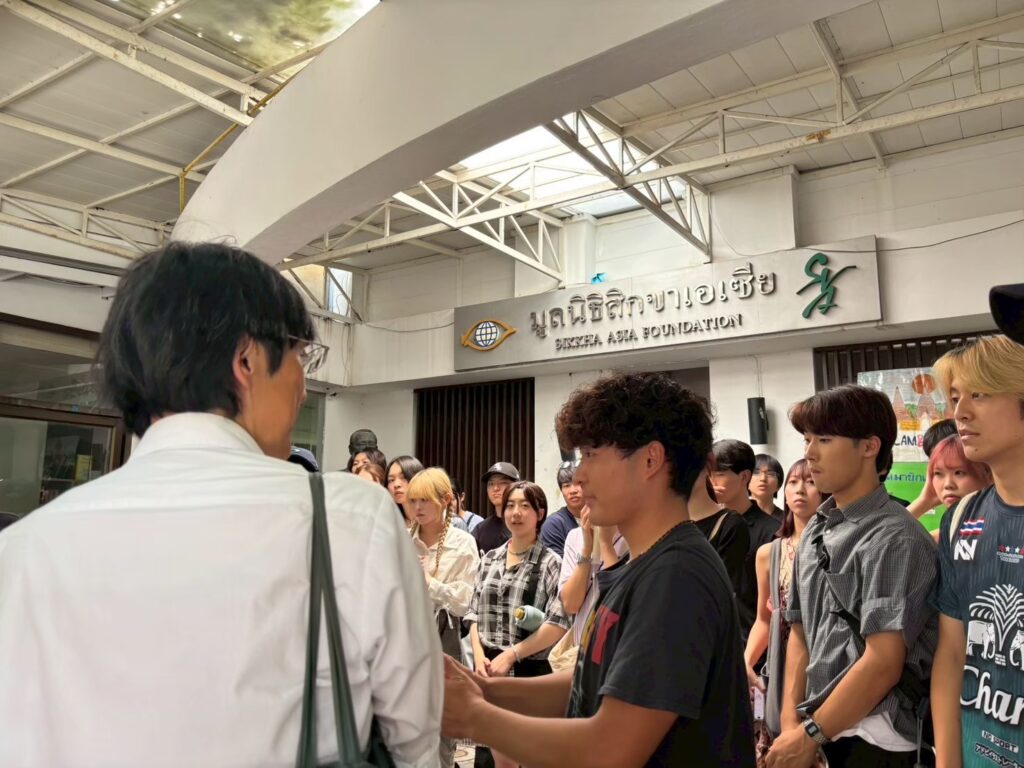
In addition to academic and cultural components, the program also addressed contemporary social issues in Thailand. Students visited the Sikkha Asia Foundation, where they learned about poverty-related challenges, education gaps, and the organization’s efforts to support disadvantaged communities. A guided walk through a nearby slum community and heartwarming interactions with local children provided students with meaningful, real-life insight into social inequality and grassroots development initiatives.

The final part of the program took place in Chonburi, located in Thailand’s Eastern Economic Corridor (EEC), a major national economic development zone known for its industrial clusters, deep-sea port, and fast-growing economic landscape. The group visited the Royal Thai Navy Sea Turtle Conservation Center, where they learned about marine conservation efforts, observed rehabilitated sea turtles, and even assisted in cleaning the turtle pools.
They also visited Mitsubishi Motors Thailand to understand how Japanese multinational companies contribute to Thailand’s automotive industry and supply chain. The final study visit was to Laem Chabang Deep Seaport, Thailand’s largest international port, where students learned about logistics infrastructure and the Thai government’s long-term economic development strategies.


Sophia GED is delighted to have supported this meaningful learning experience and hopes the students return to Japan with valuable knowledge, new perspectives, and many memorable moments from their time in Thailand. We look forward to welcoming future groups for continued academic and cultural exchange.
— The Sophia GED Team


