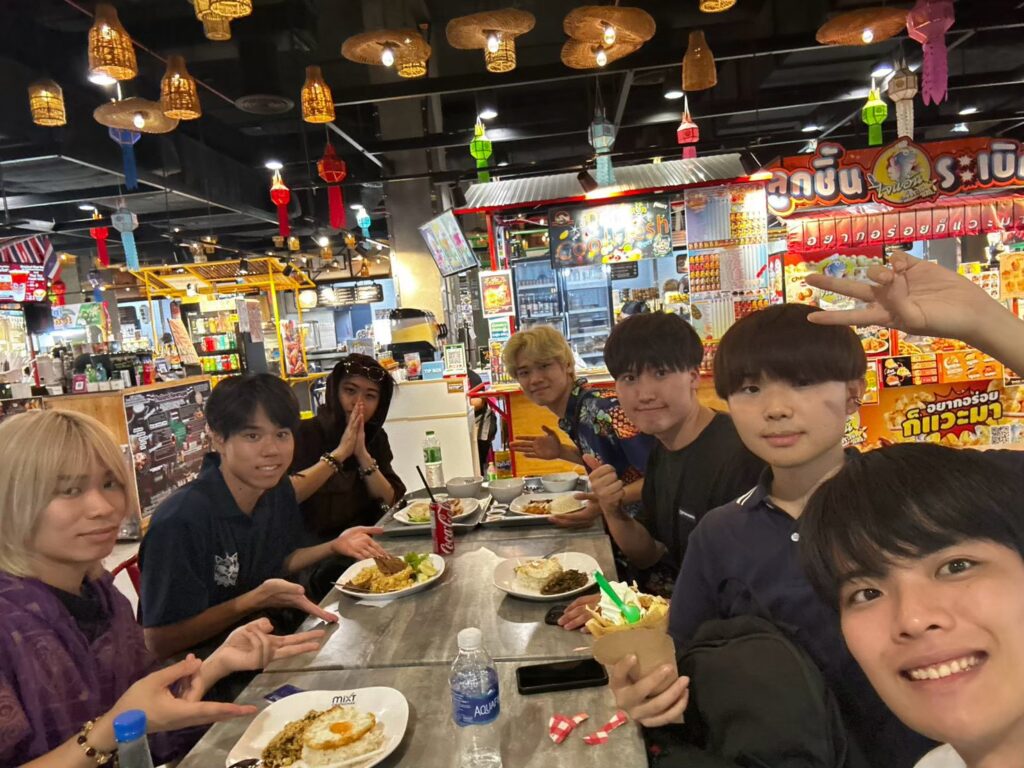
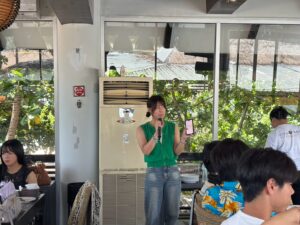
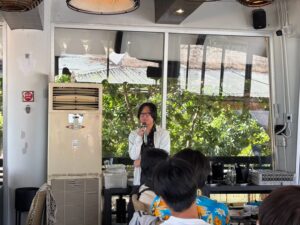
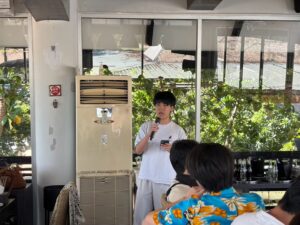
From August 25 to September 4, 2026, Sophia GED hosted 29 students from Chiba University for the Thailand Society and Economy program, focusing on Bangkok and the country’s Eastern region.
Throughout this 10 days field study, participants explored diverse regions including Bangkok, Ayutthaya, Suphanburi, and Chonburi which provided them with firsthand insight into Thailand’s varied economy, culture, and social landscape.
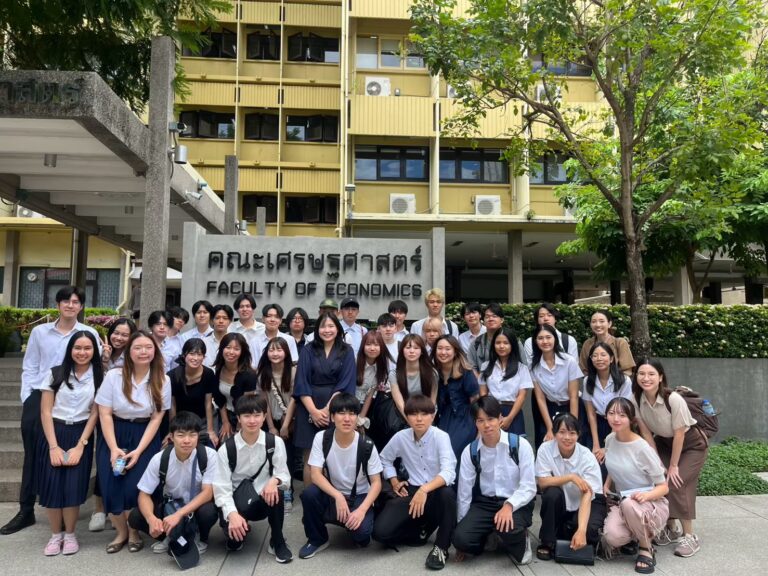
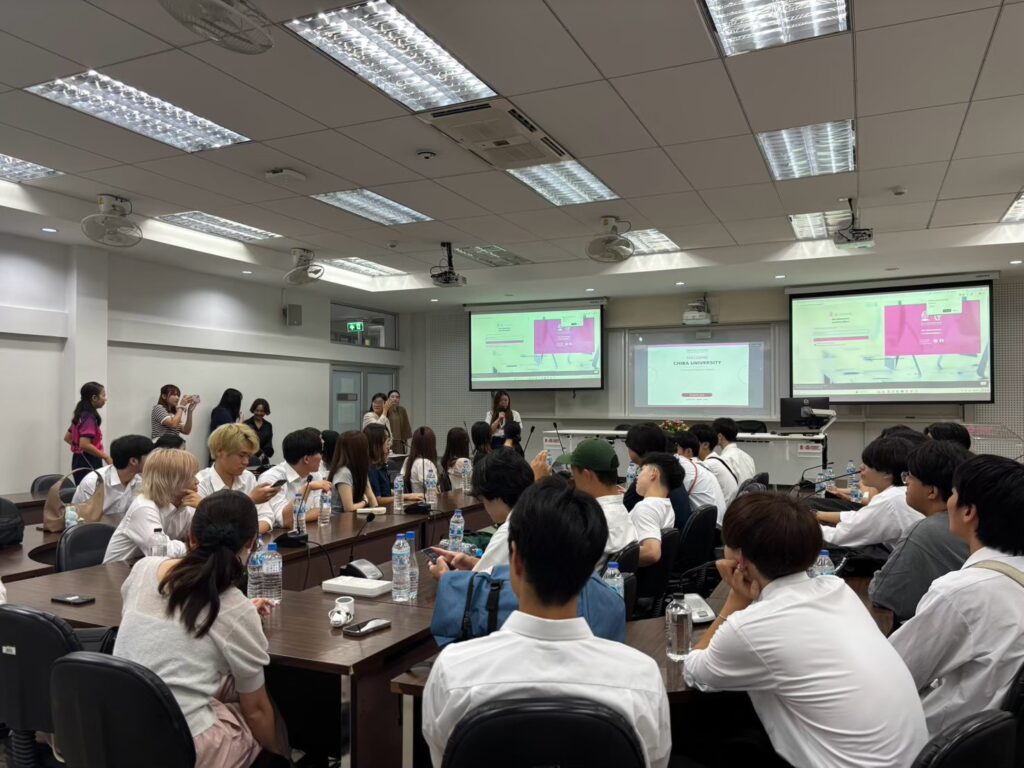
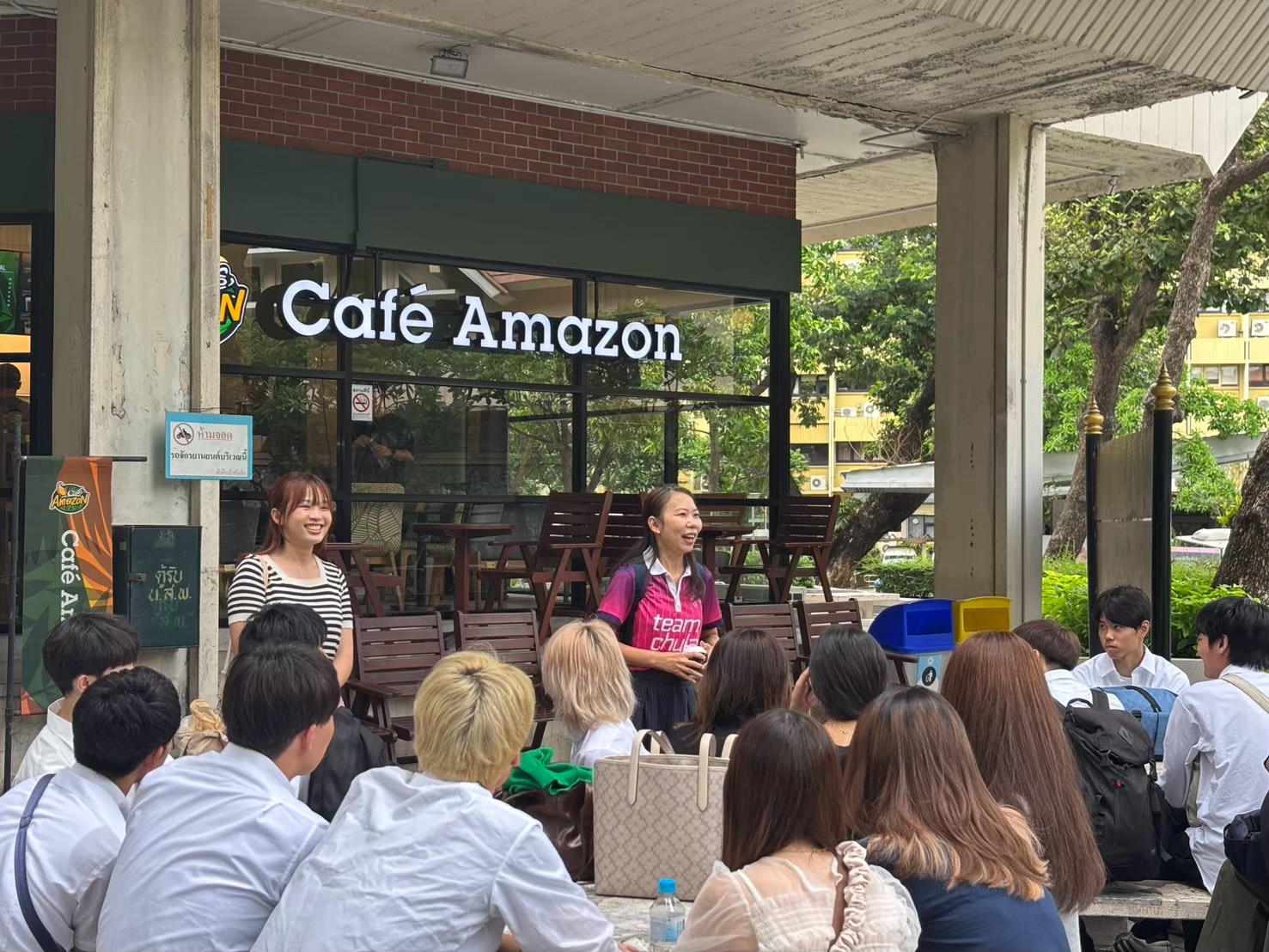
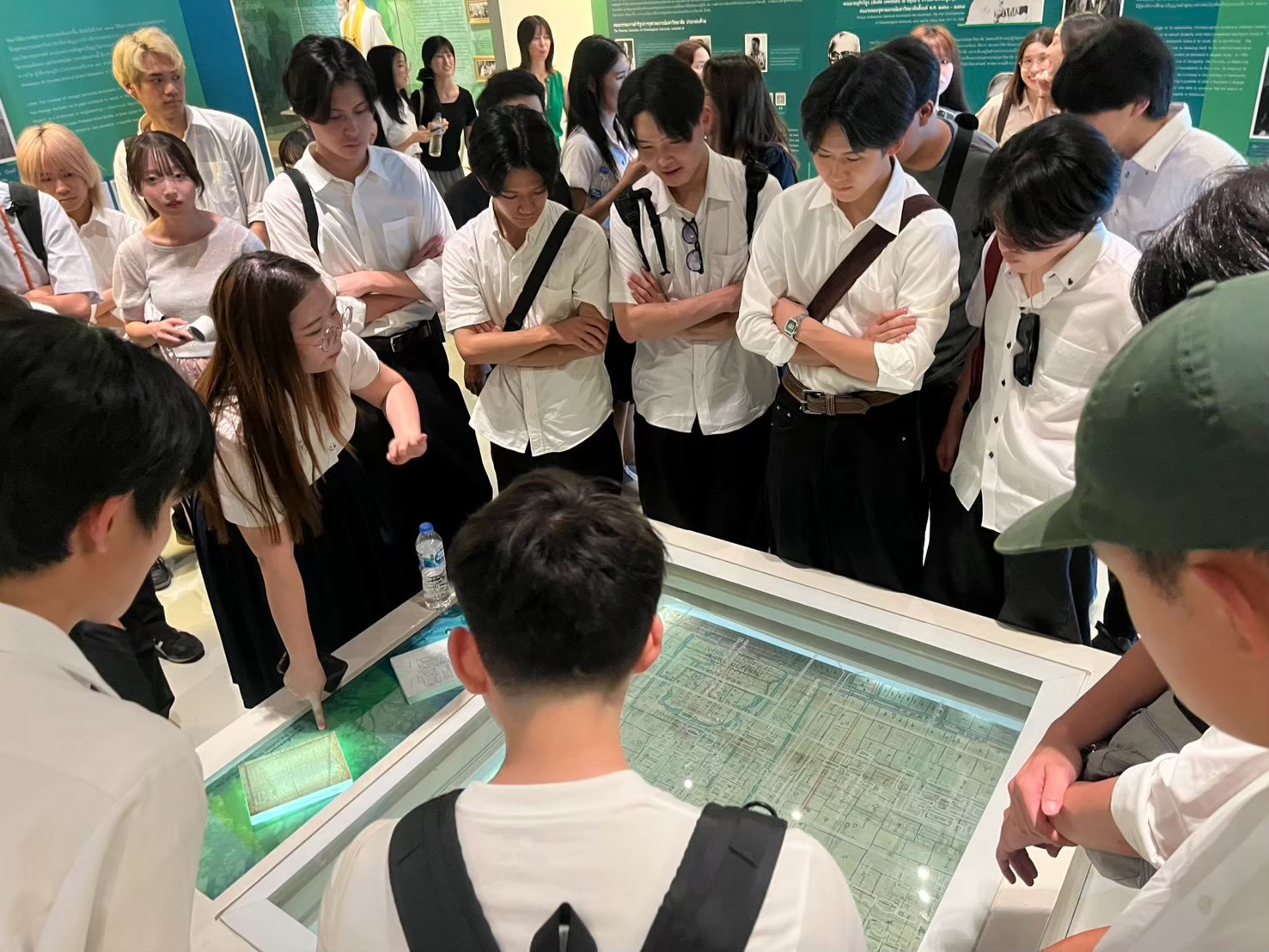
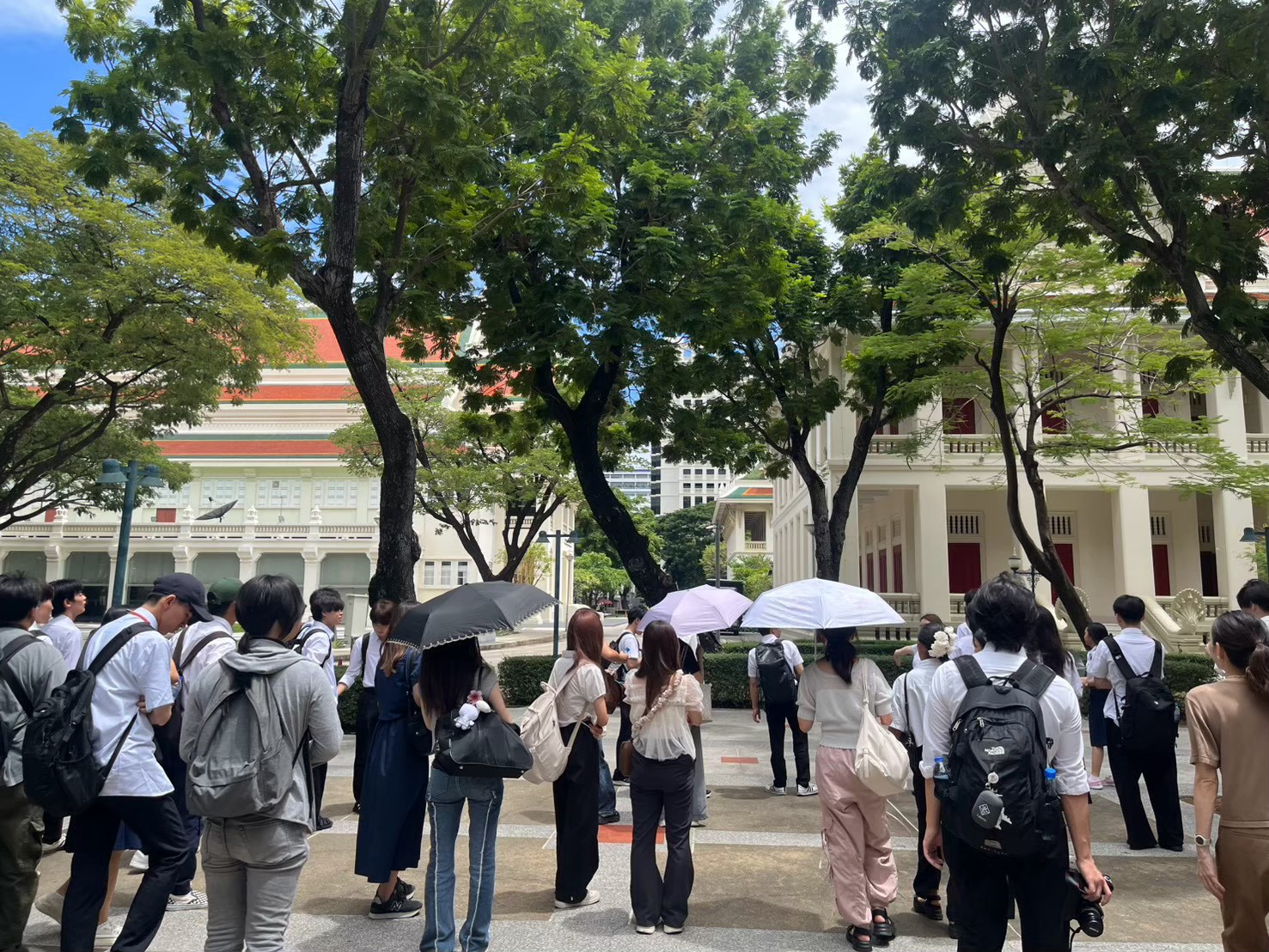
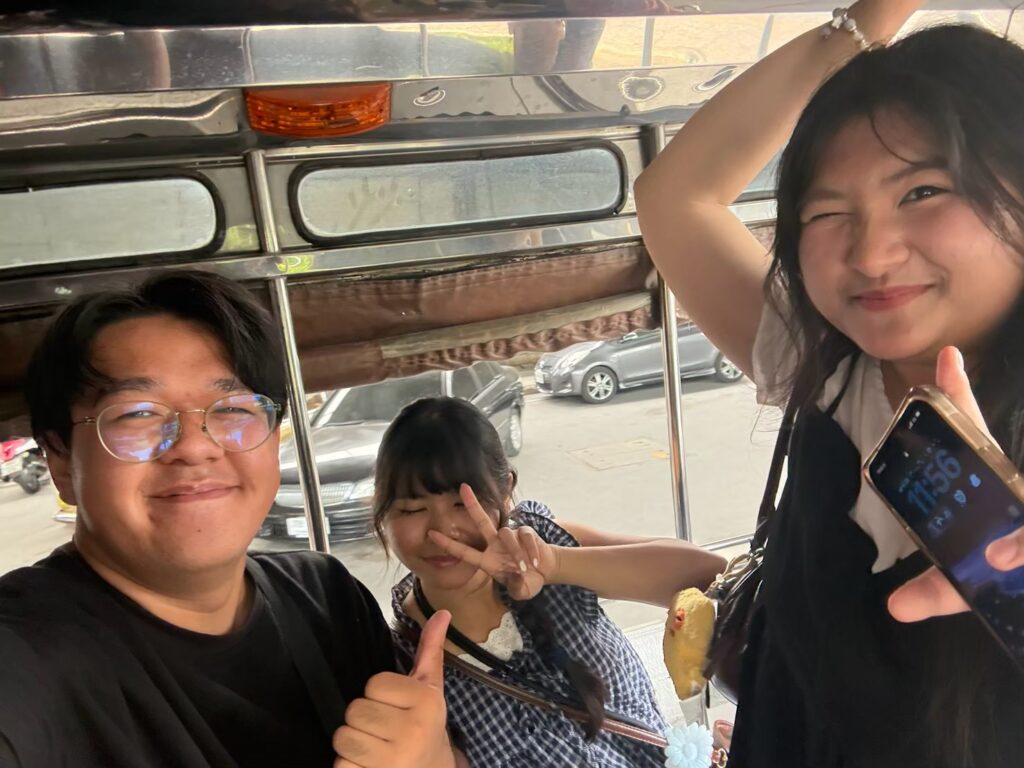
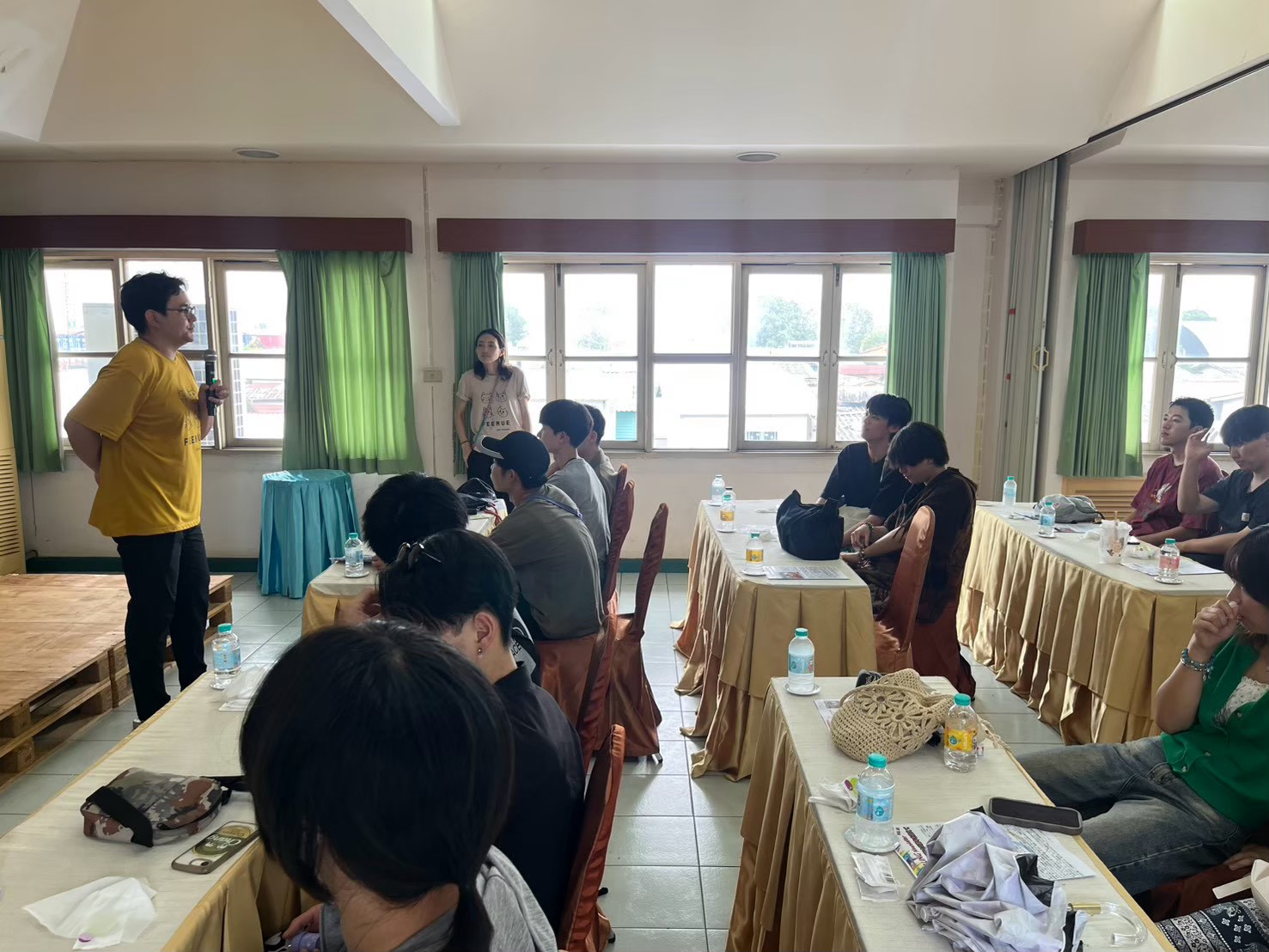
The program began by giving the Japanese students a true taste of Thai student life. Students experienced commuting like a local, utilizing public transportation to reach Chulalongkorn University, one of Thailand’s top institutions. Upon arrival, they attended a lecture by Asst. Prof. Katikar Tipayalai titled ‘Overview on Socioeconomic Situation in ASEAN and Thailand,’ gaining key insights into regional integration, economic growth, and societal issues. The session was followed by an interactive campus tour led by Chulalongkorn University student representatives, offering participants an engaging look at the academic facilities and daily campus routine.
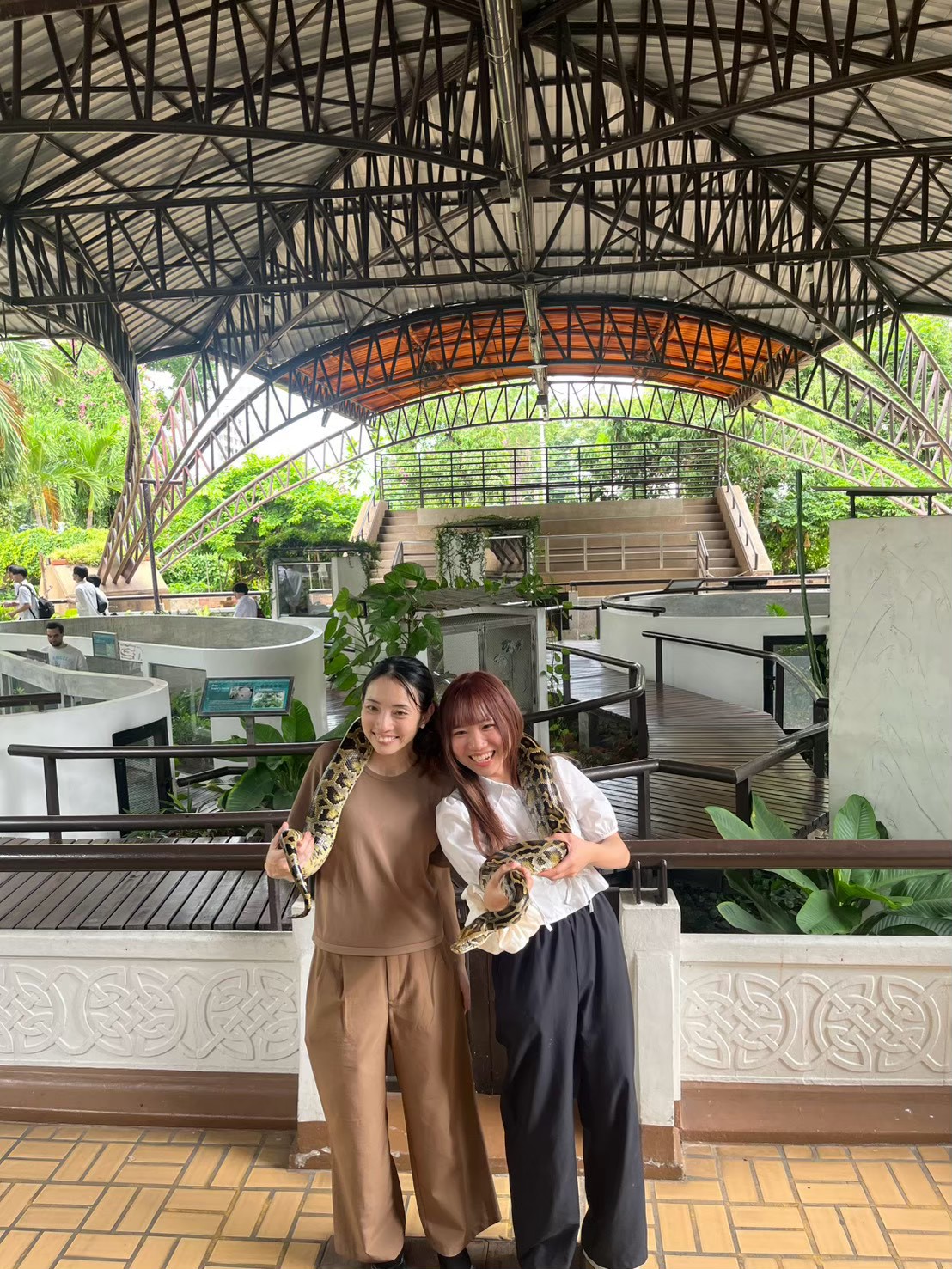
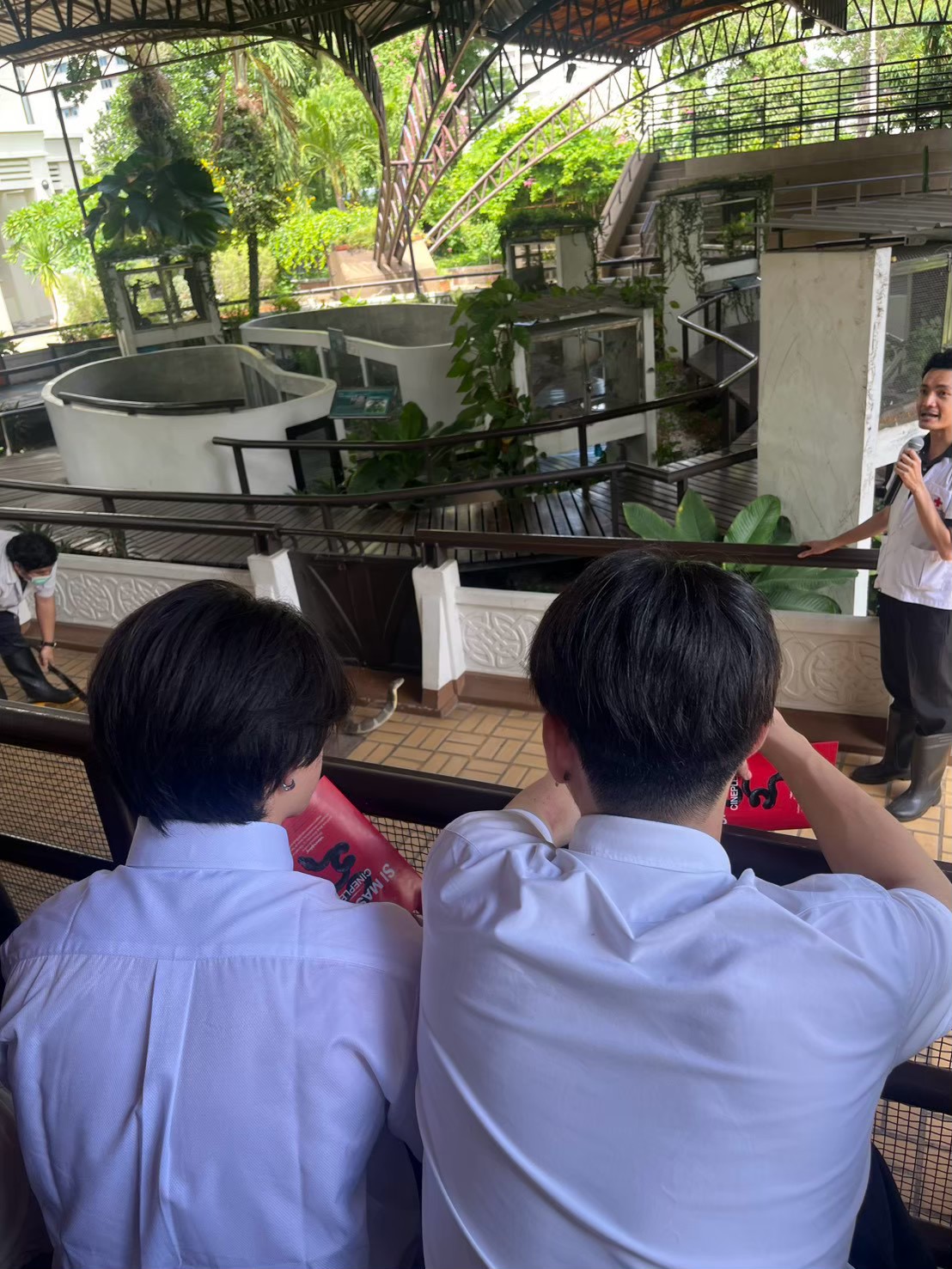
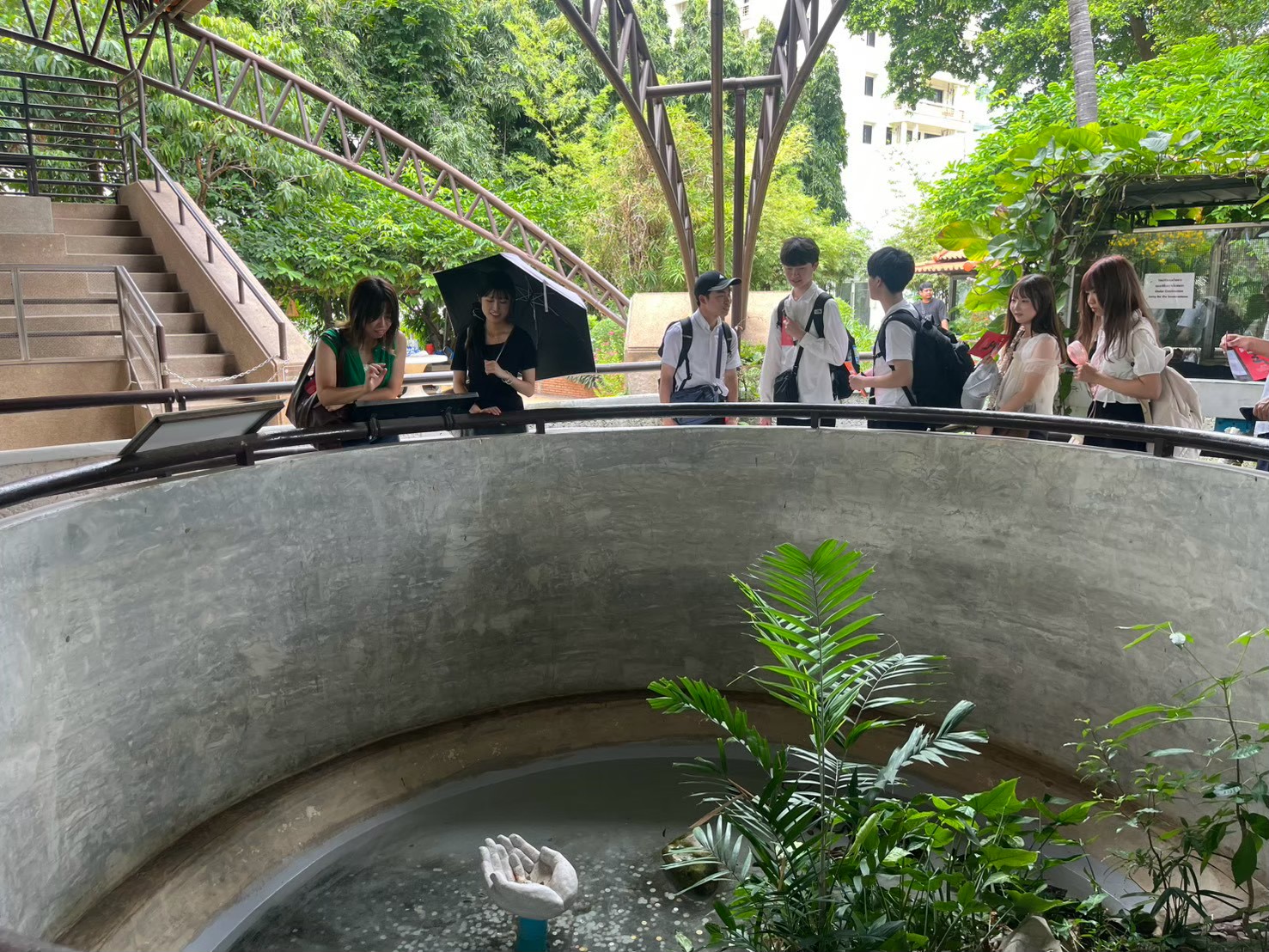
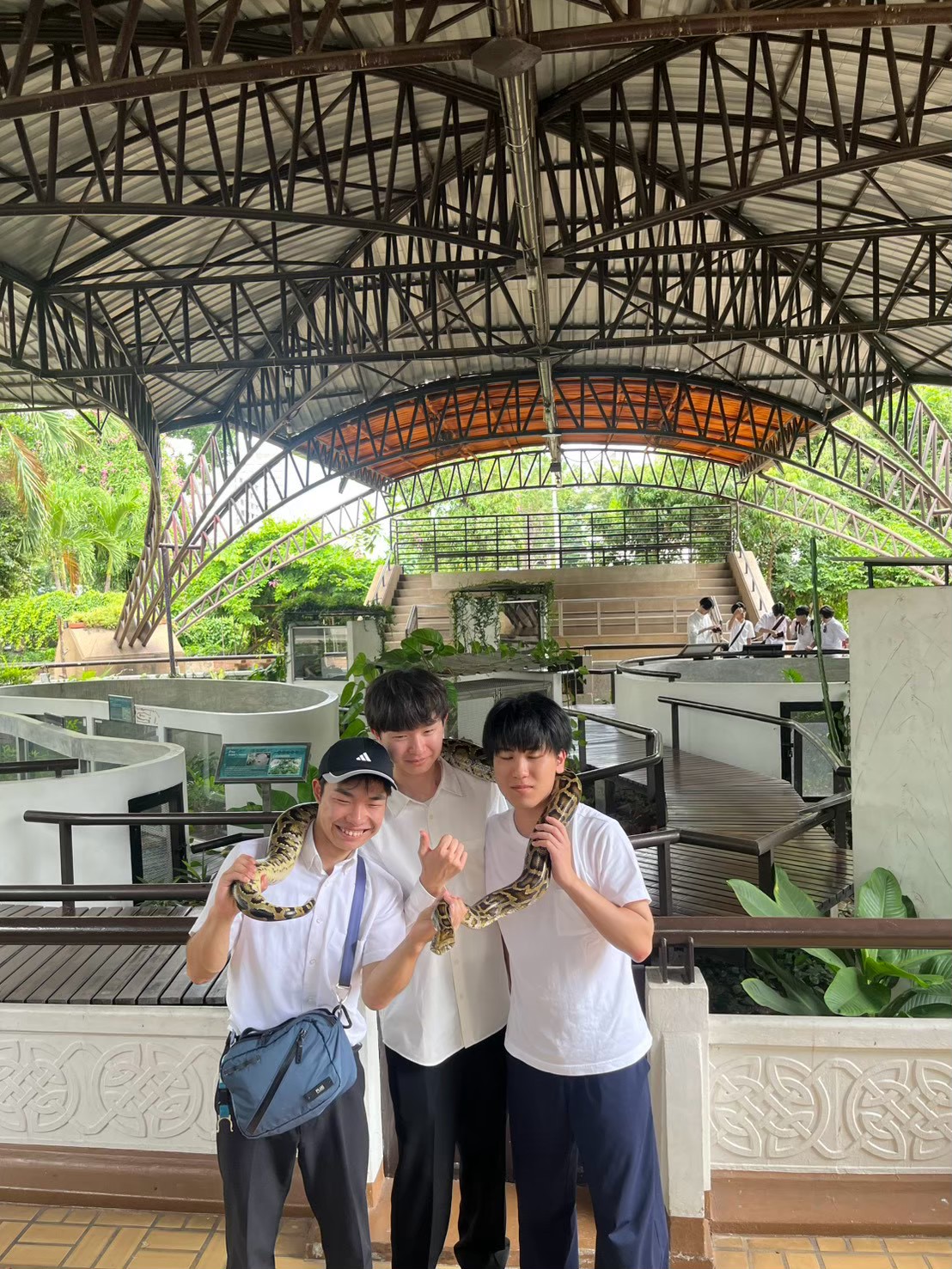
Since the fieldwork took place during Thailand’s rainy season, a period when snake encounters naturally increase across the country, the afternoon itinerary featured an educational visit to the Snake Farm at the Queen Saovabha Memorial Institute (Thai Red Cross Society). The session provided participants with comprehensive information on various venomous and non-venomous snake species, safety guidelines, and the unique properties of snake venom. Additionally, students learned about the origins and ongoing mission of the institute, particularly its contribution to life-saving research and public health.
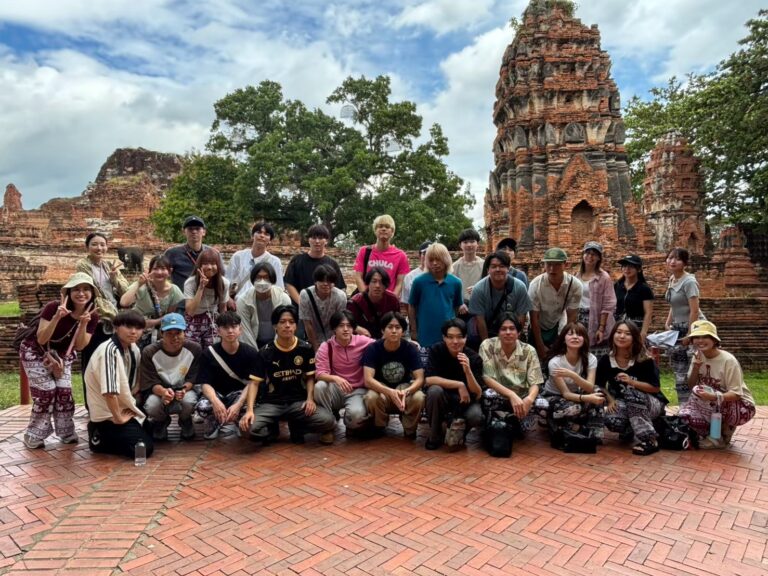
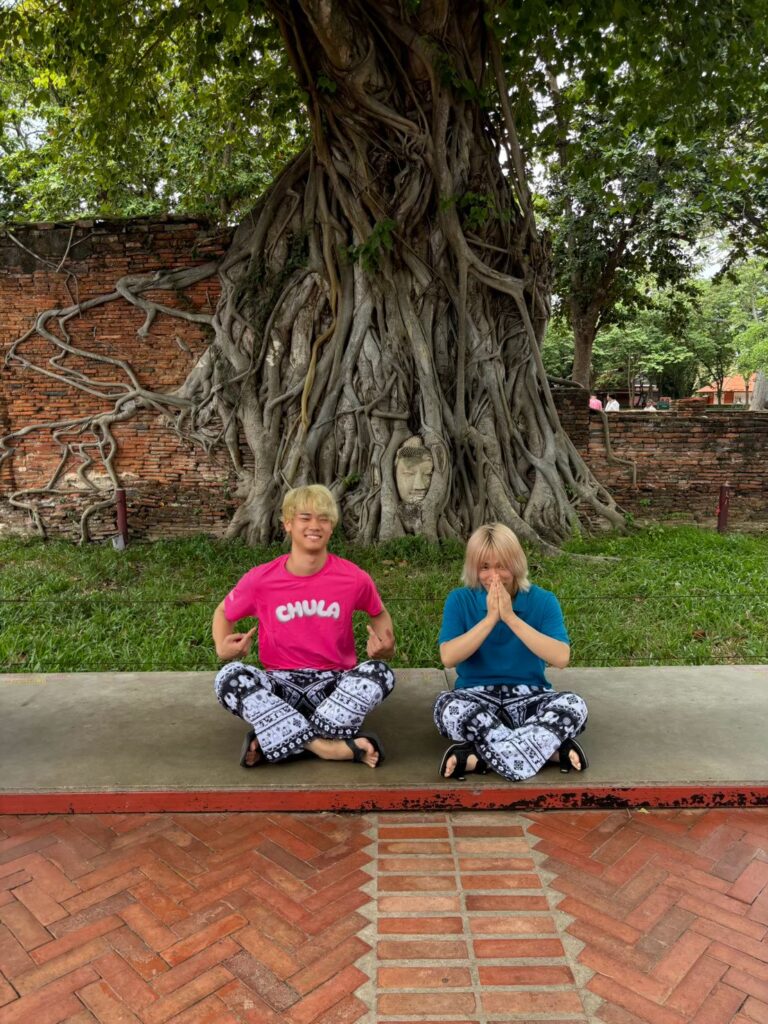
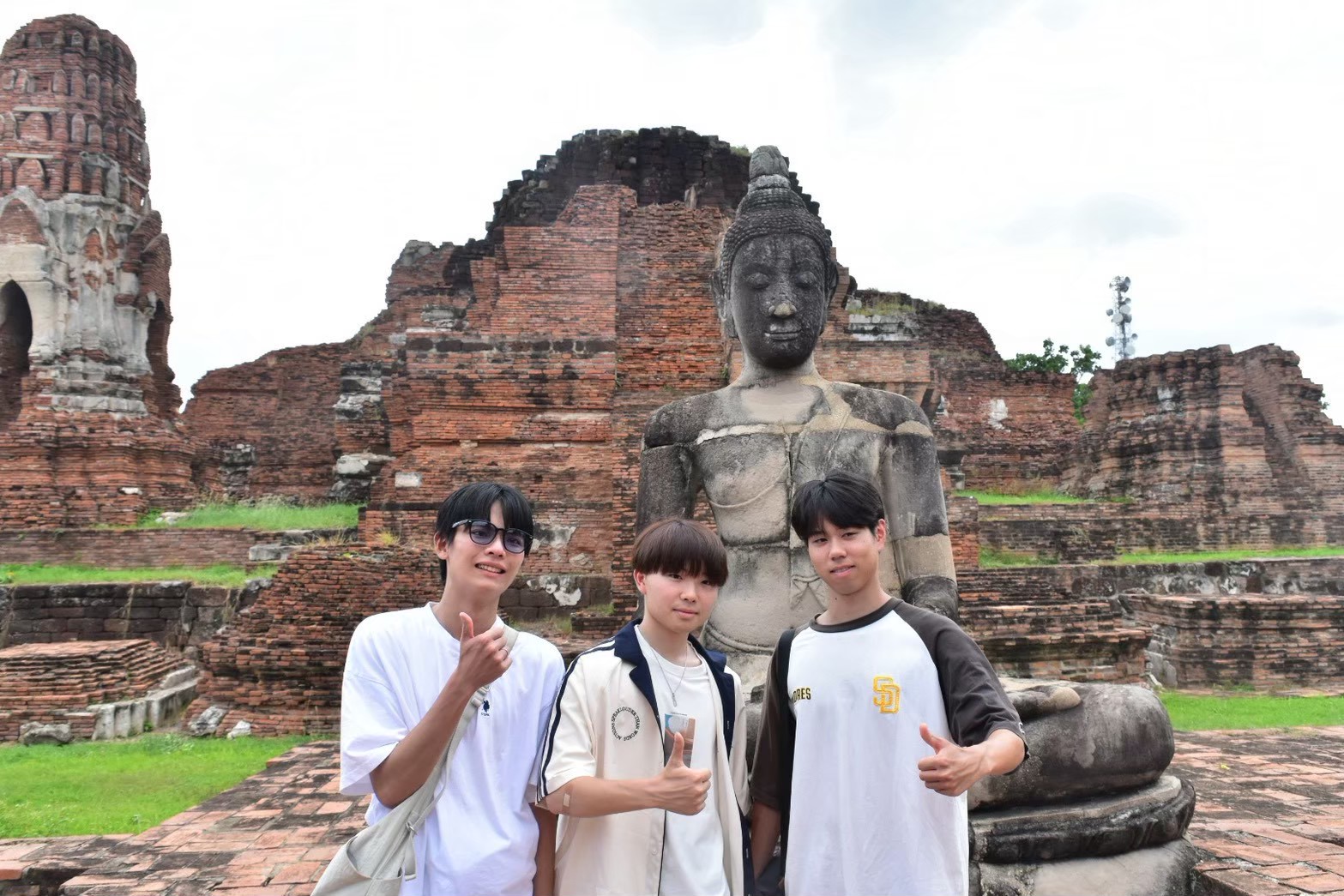
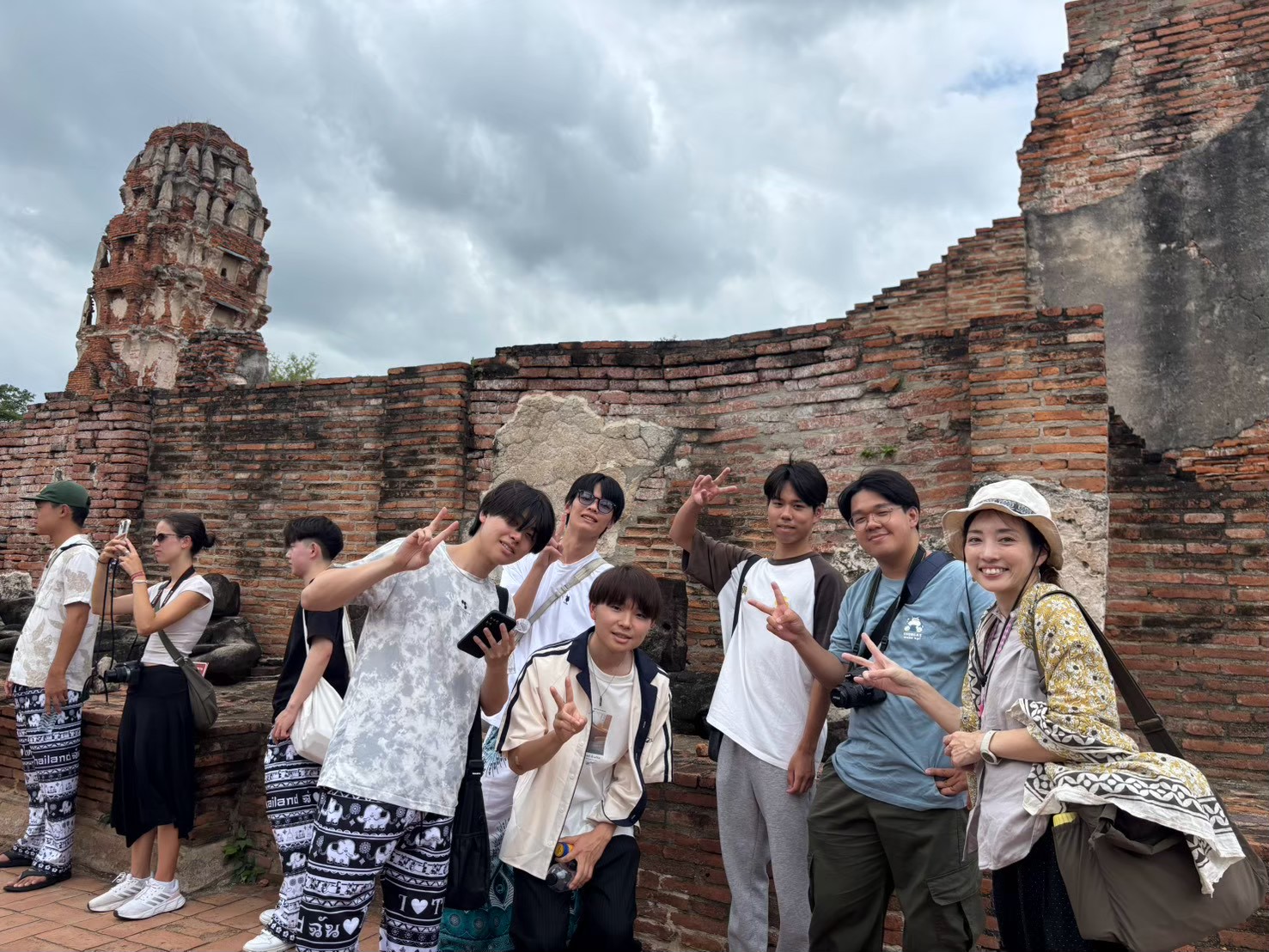
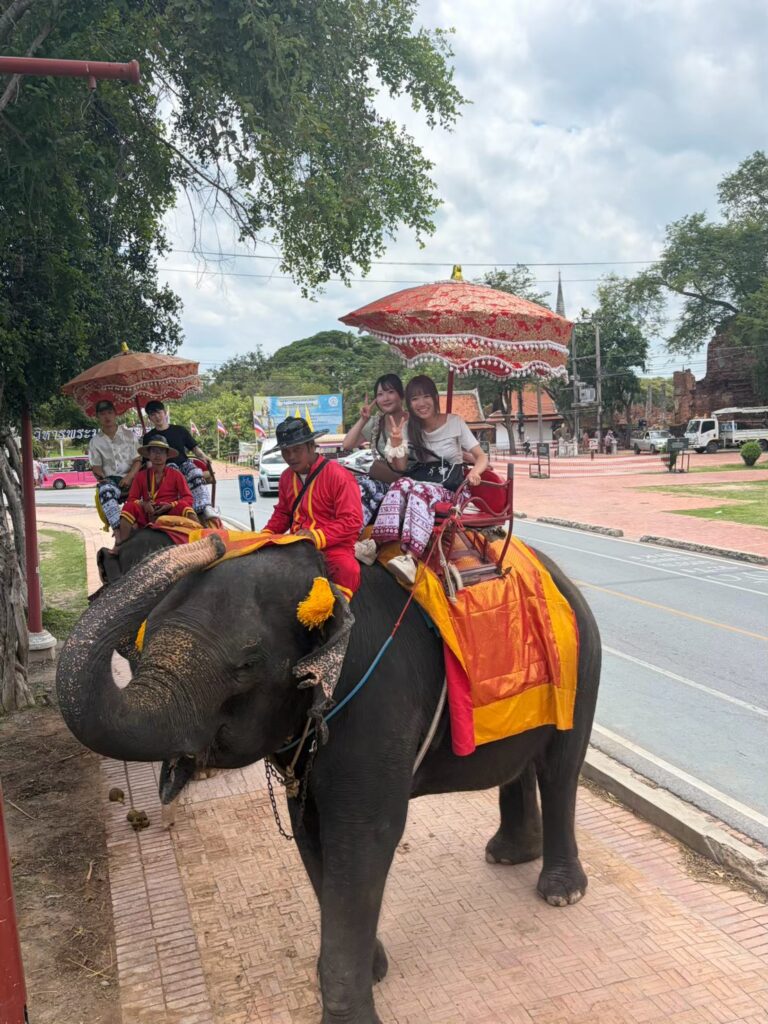
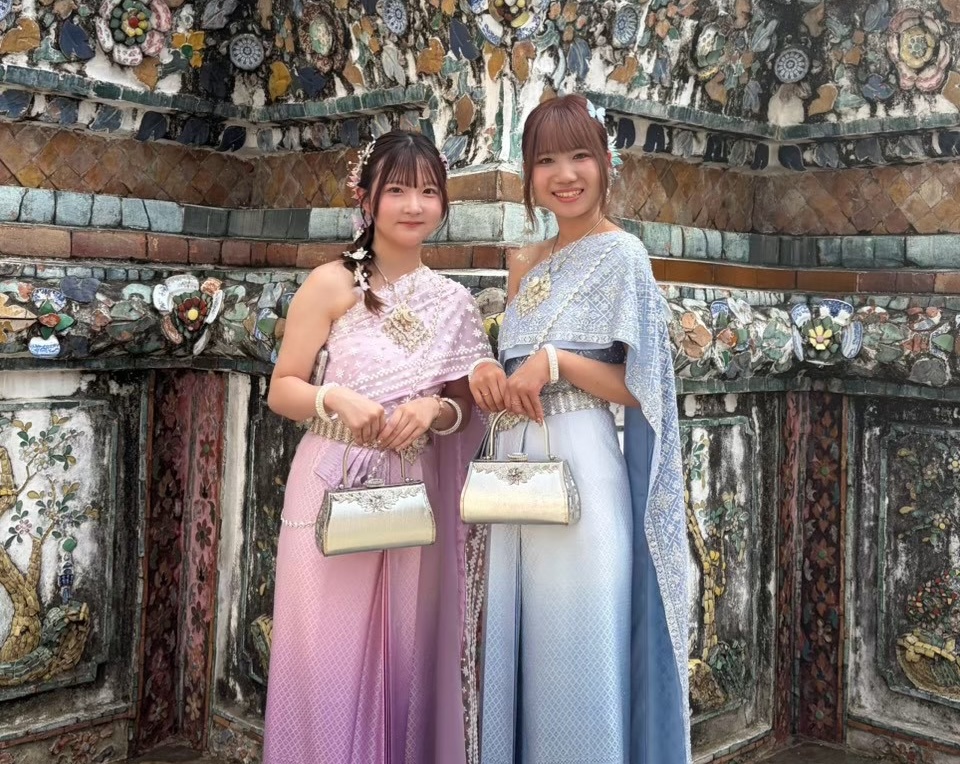
After getting a taste of basic urban living in Bangkok, the group traveled to Ayutthaya the following day to deepen their cultural understanding. As one of Thailand’s most historically significant provinces, Ayutthaya is renowned for its UNESCO World Heritage sites, offering a rich window into how traditional Thai culture shapes modern tourism. The participants visited iconic landmarks such as Wat Mahathat and enjoyed a memorable elephant ride through the historic city, experiencing firsthand the vibrant connection between heritage and local tourism.
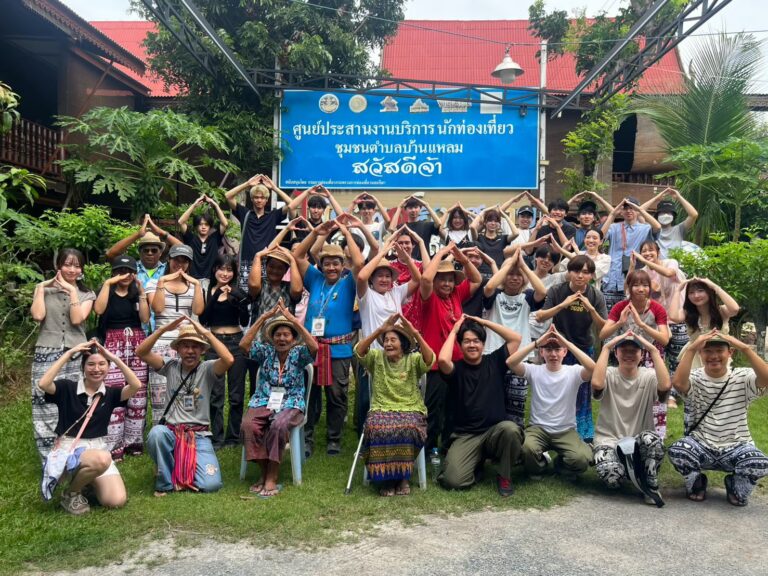
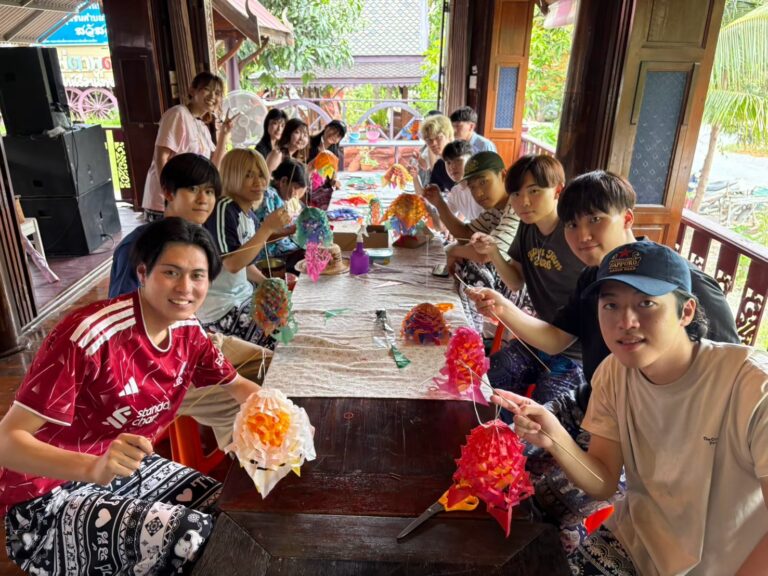
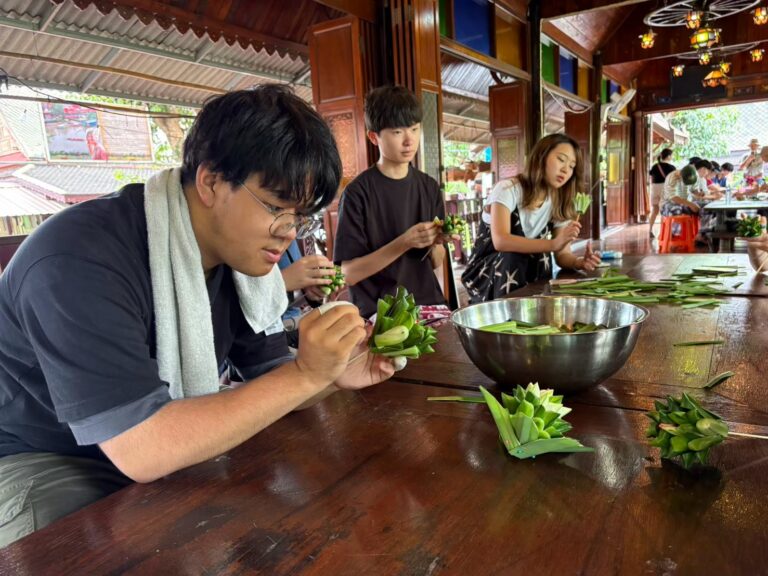
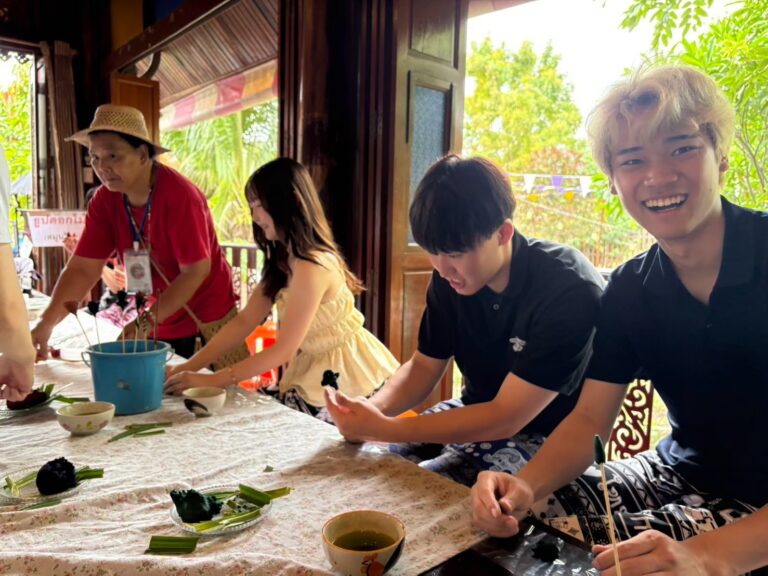
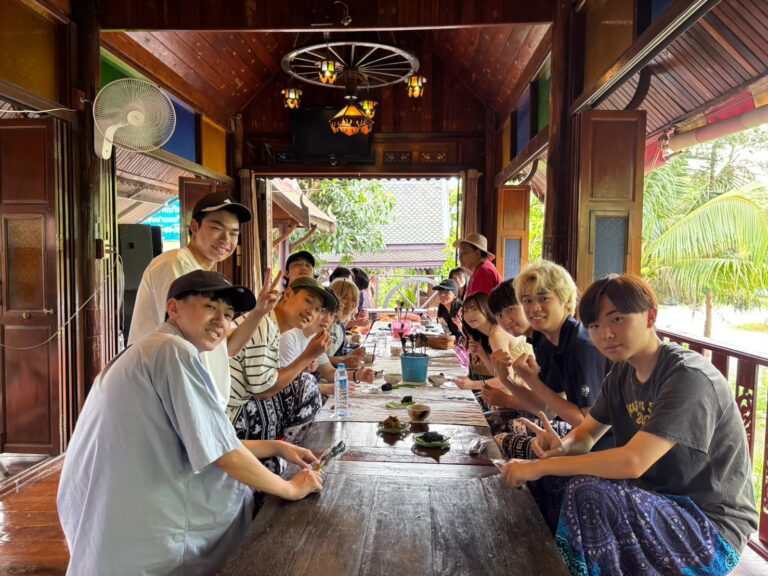
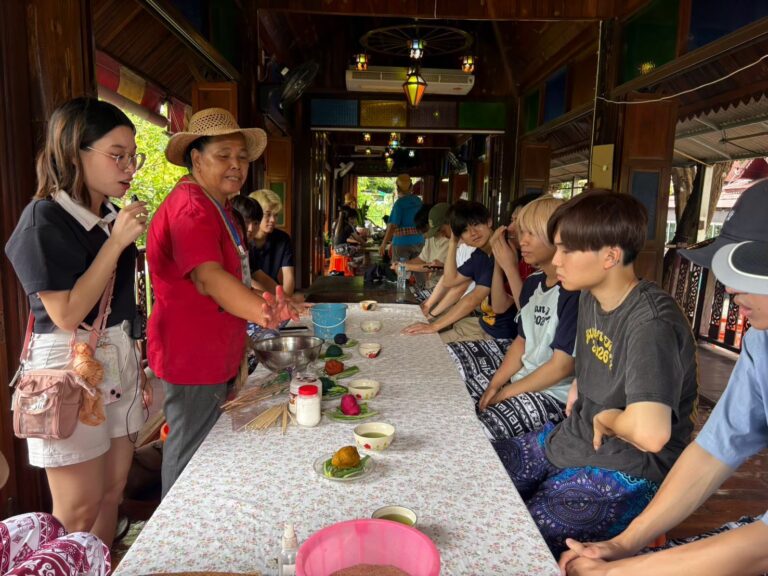
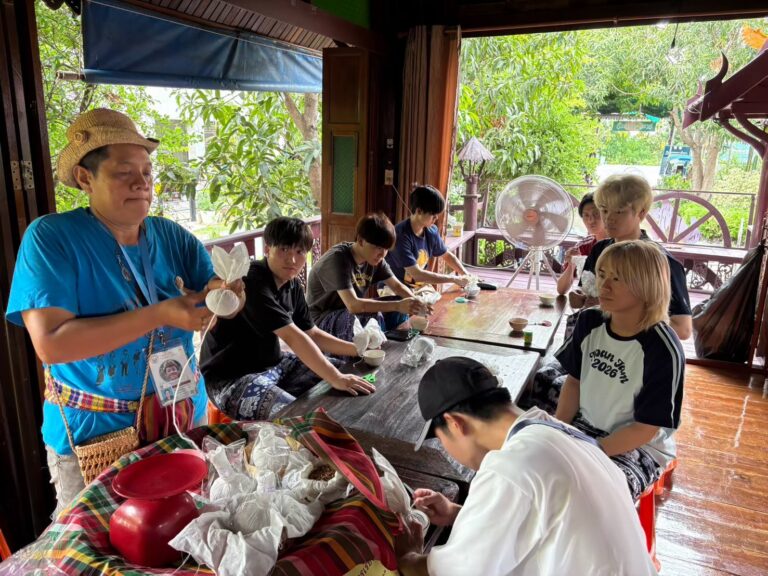
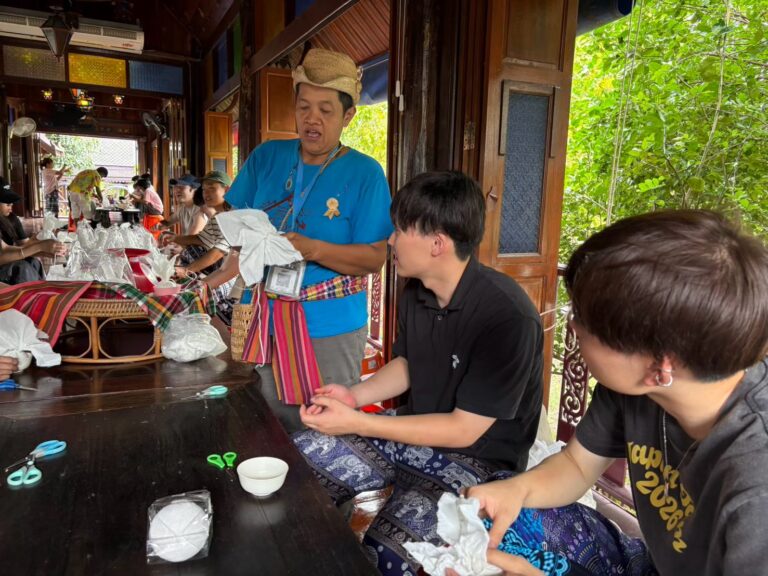
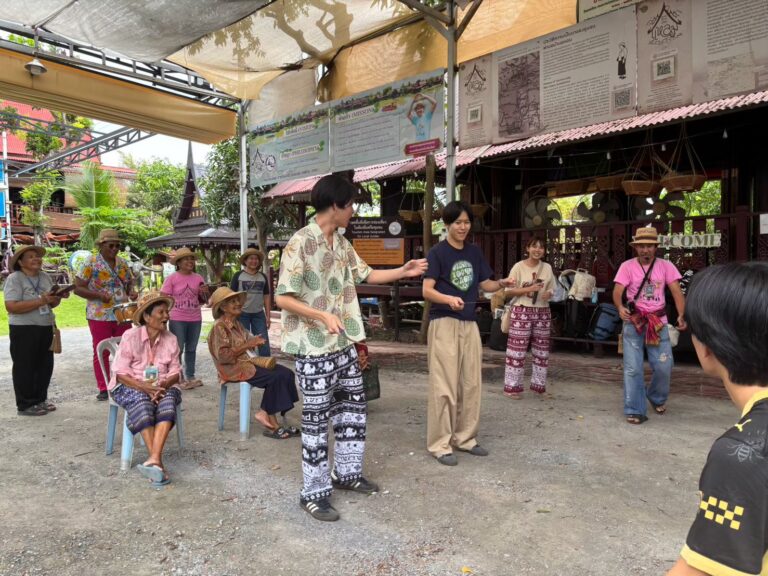
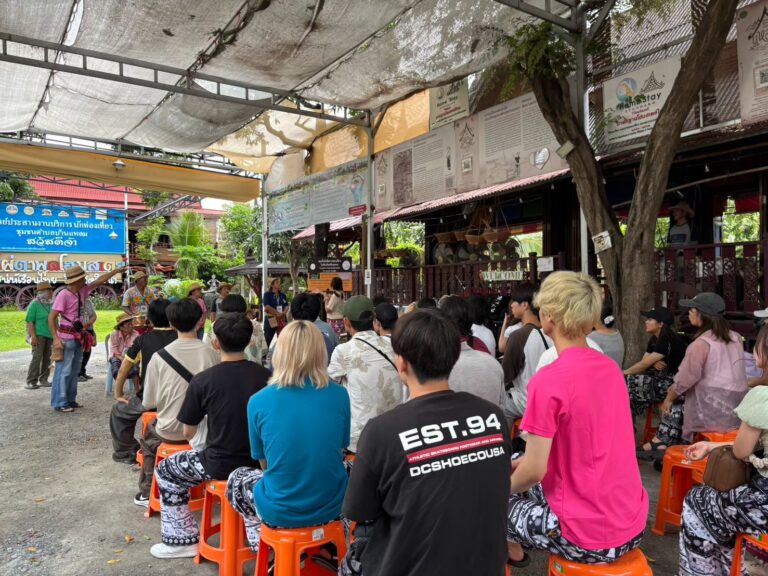
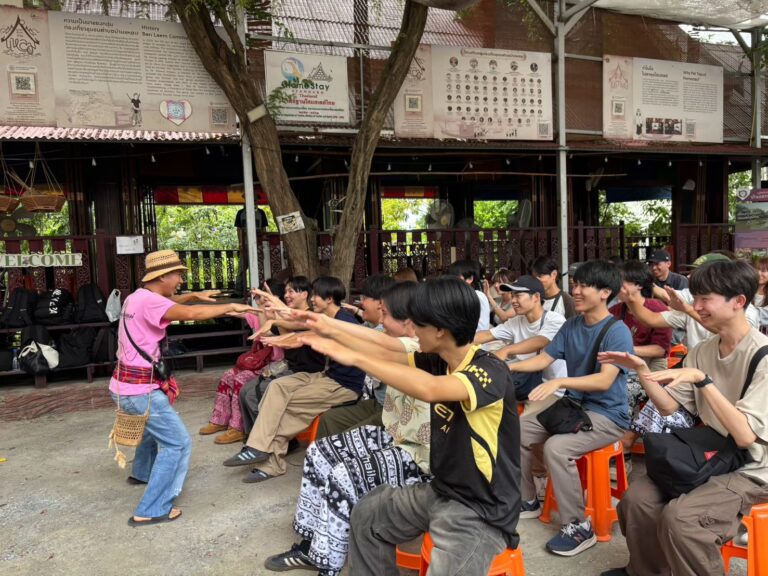
The journey then continued to neighboring Suphanburi, a province steeped in history and defined by its major waterways. Here, students had the unique opportunity to immerse themselves in traditional riverside culture through an authentic community-based tourism experience at the Baan Laem Community. The locals warmly welcomed the group for an insightful one night community stay, during which participants engaged in various hands-on cultural workshops, including crafting traditional Thai incense, weaving decorative palm-leaf flowers, making Phung Ma-Hod (intricate paper garlands), and creating therapeutic Thai herbal compress balls.
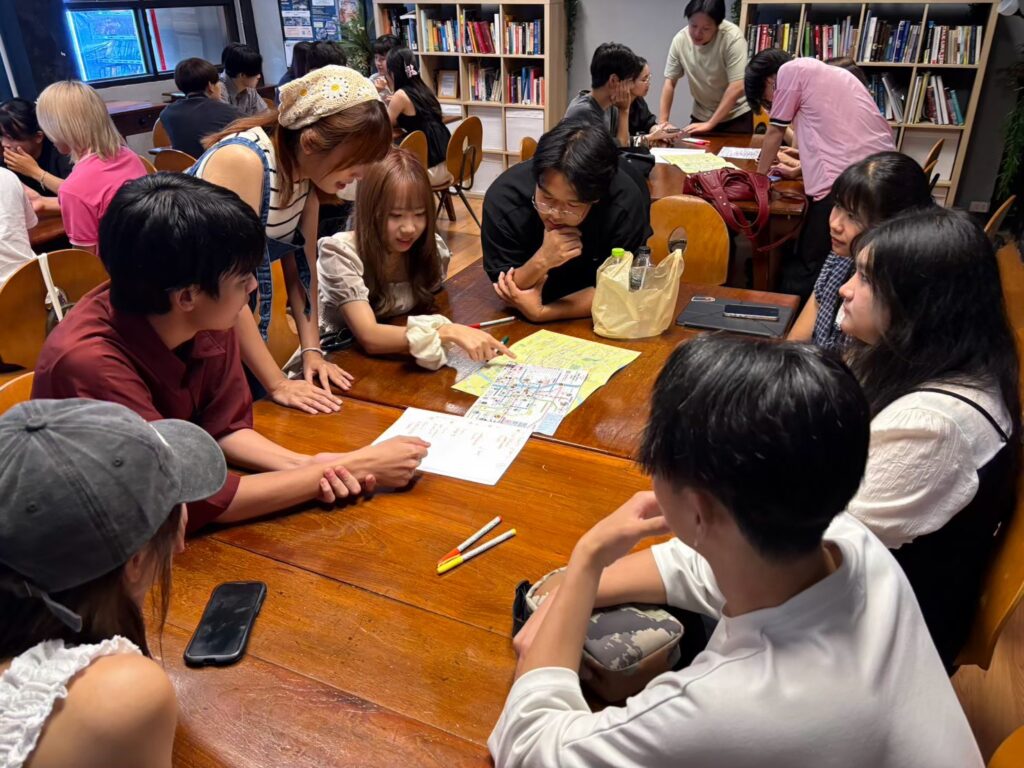
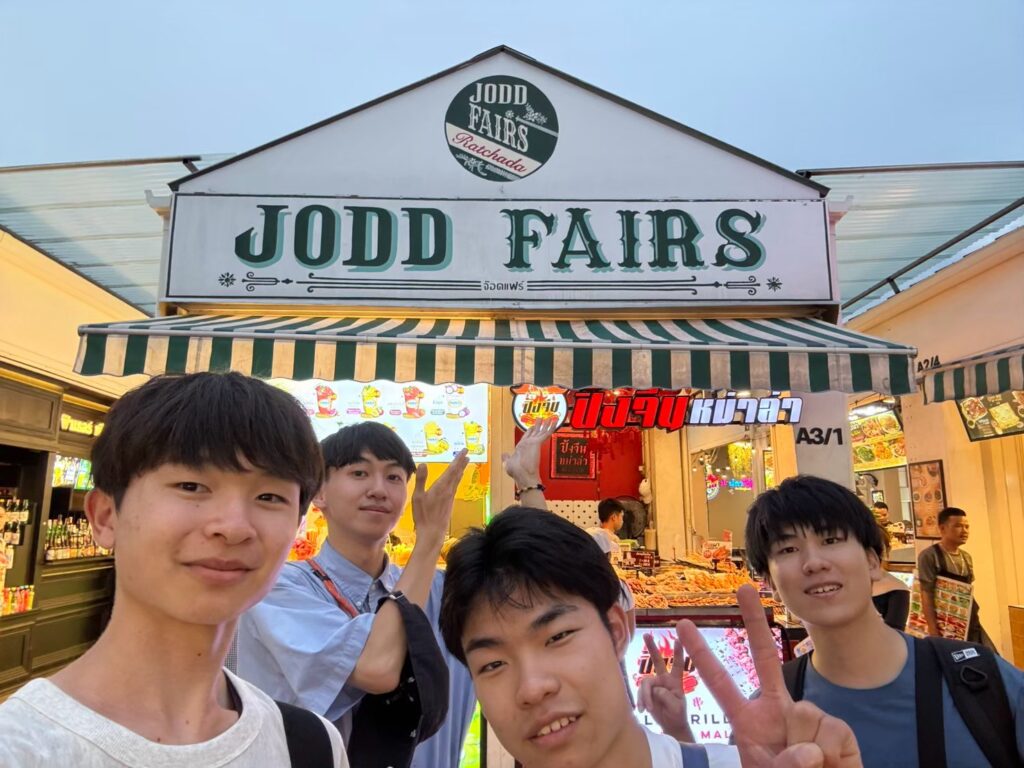
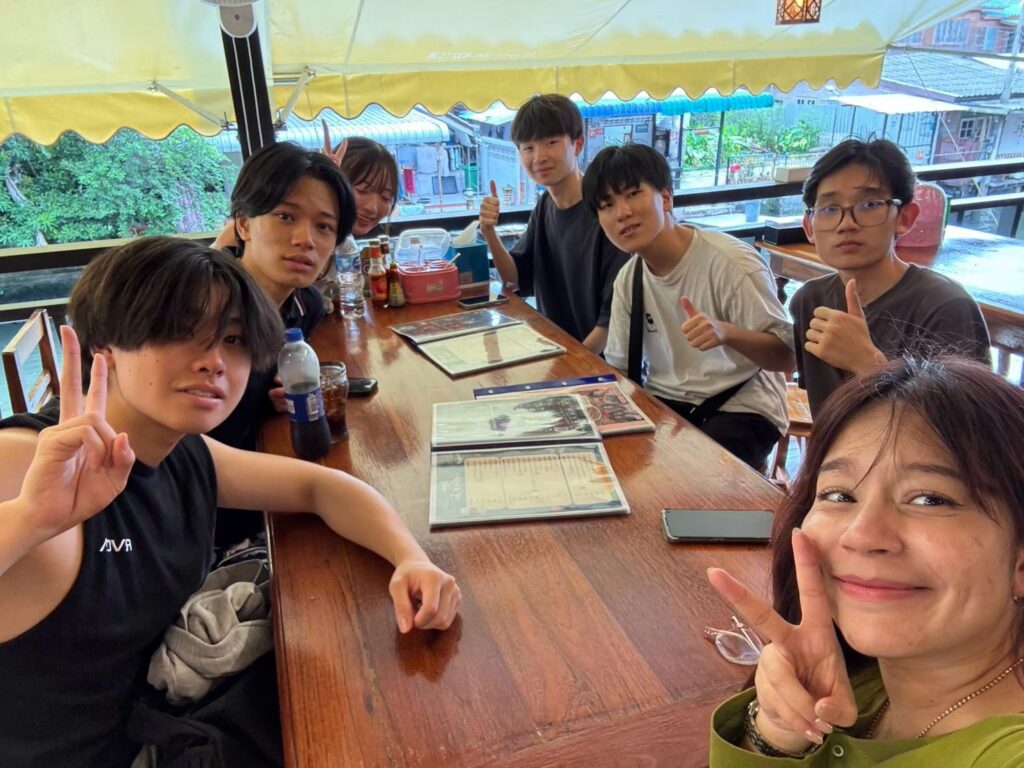
< The following day, the group returned to Bangkok for an exciting cross-cultural exchange. The visiting students grouped up with Thai friends from various universities to plan and execute a one day group fieldwork across the city.
Building on the practical life skills and confidence gained throughout the trip, the participants spent the other day planning their own itinerary and navigating the vibrant capital independently as a team. >
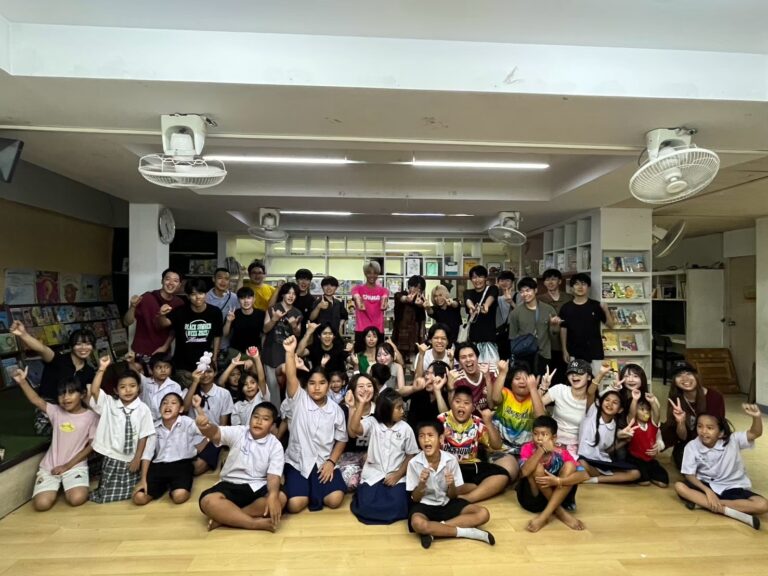
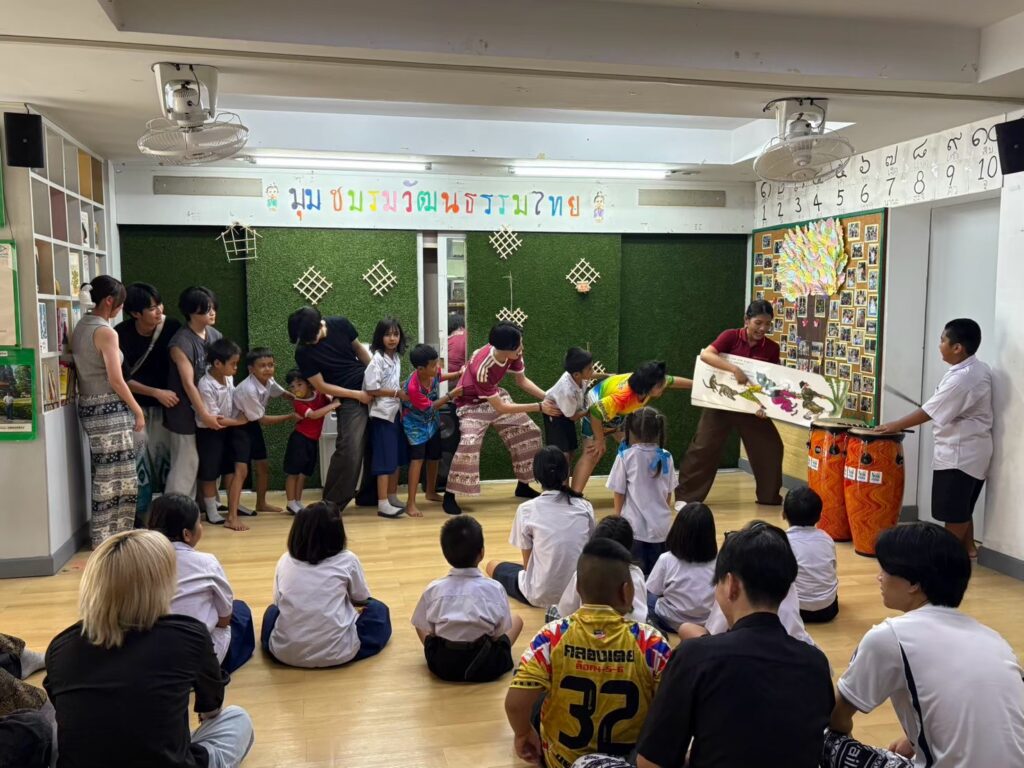
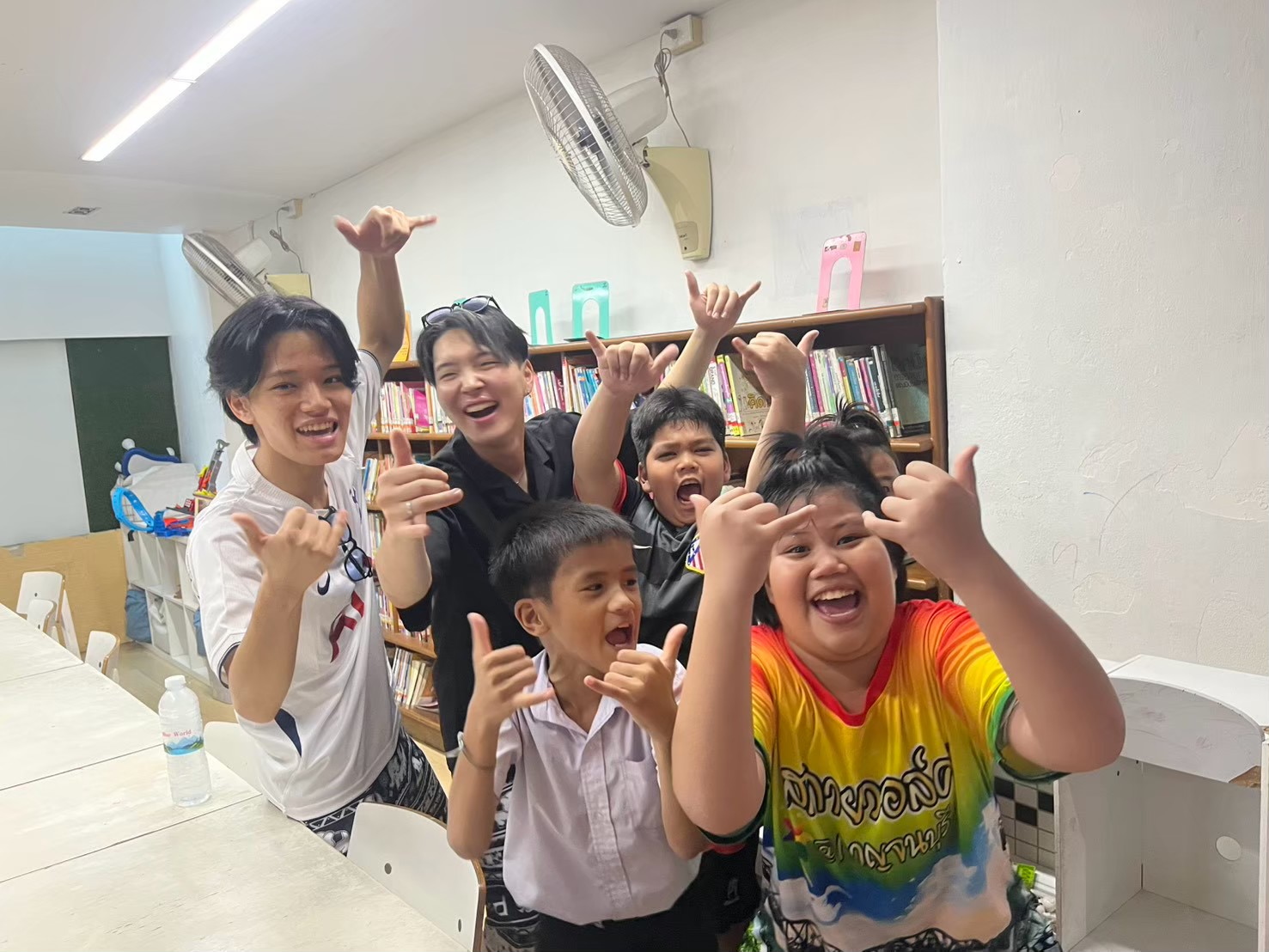
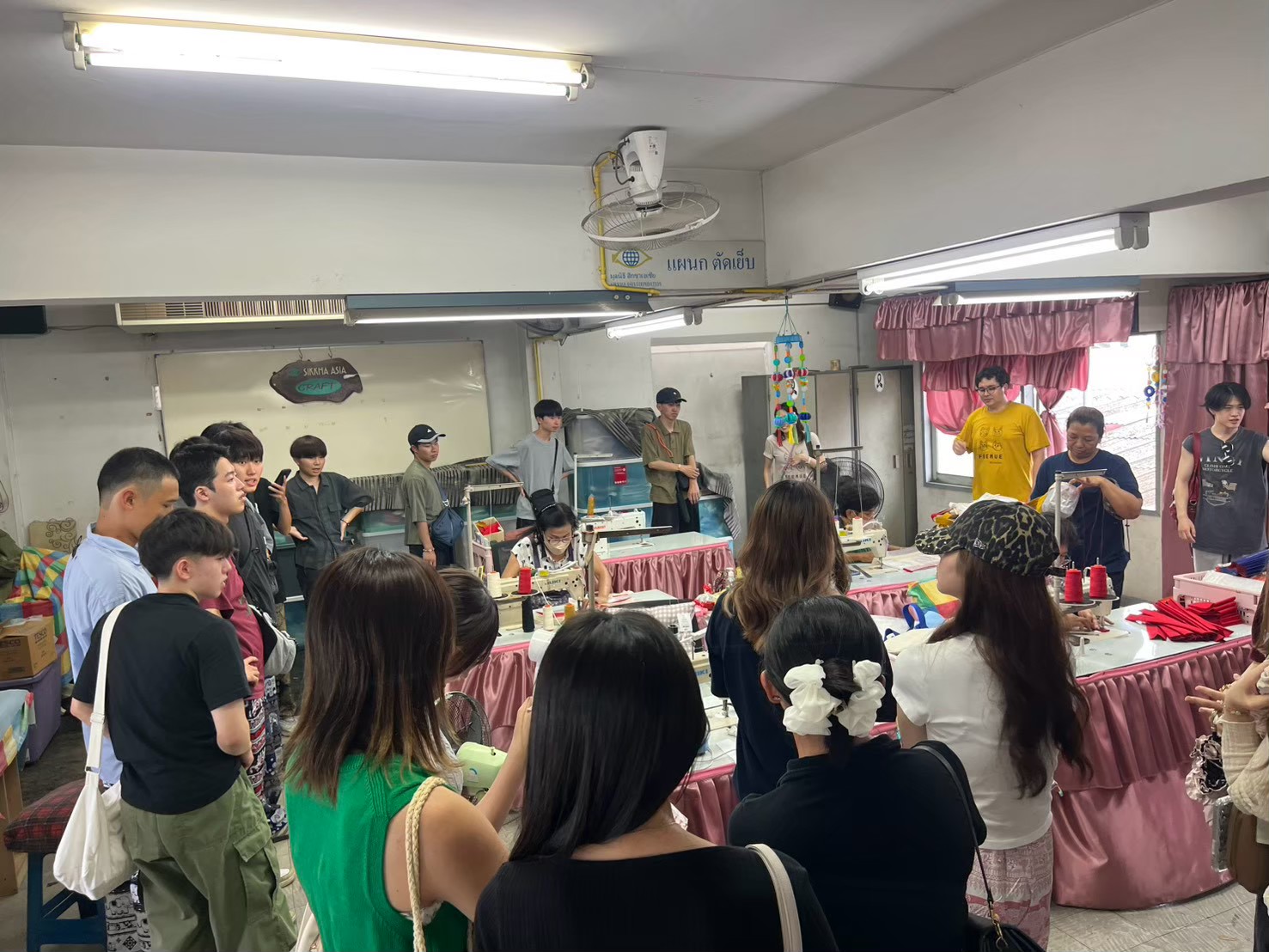
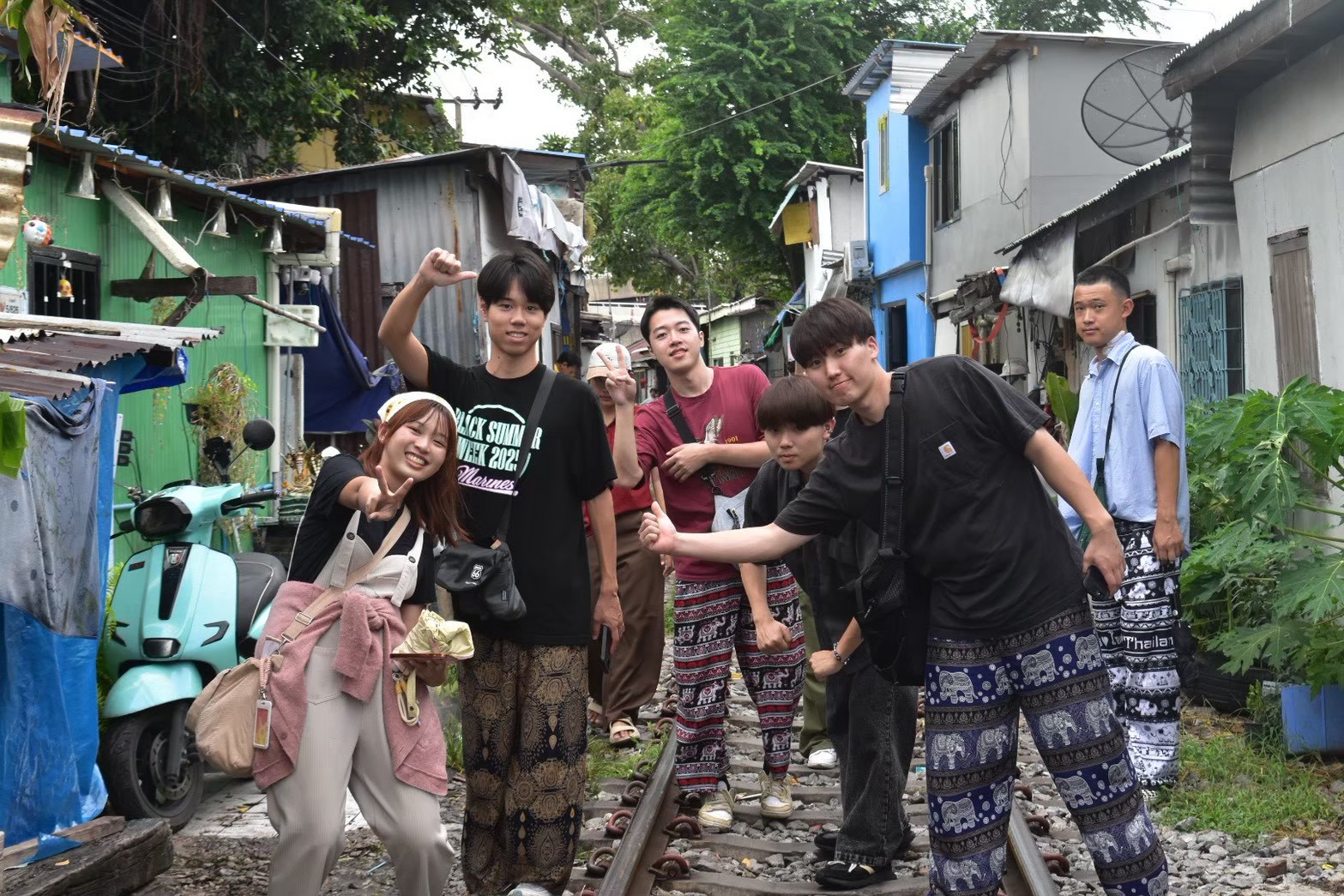
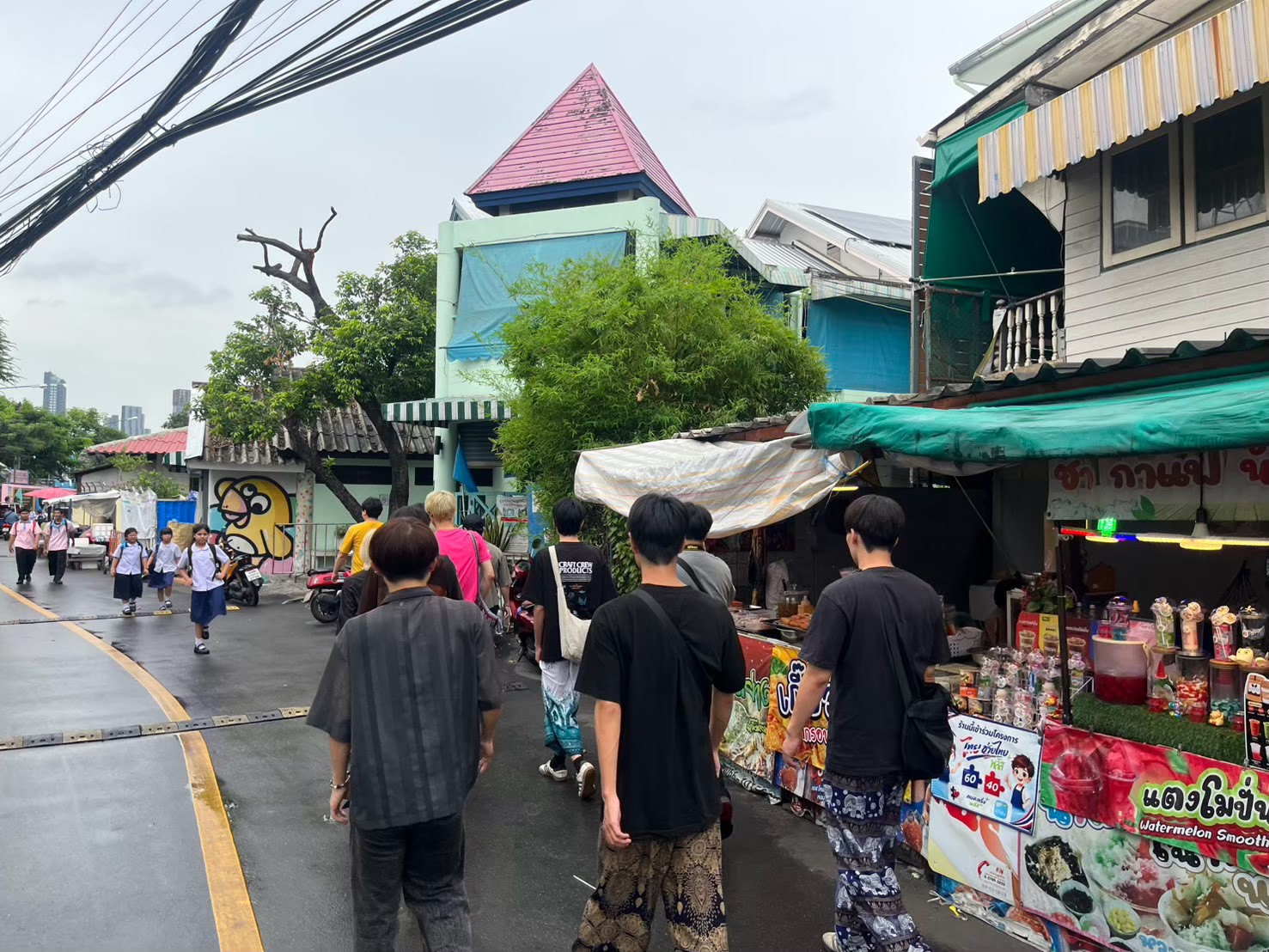
Beyond academic and cultural immersion, the program emphasized real-world social perspectives. The group visited the Sikkha Asia Foundation to gain a deeper understanding of educational disparities, poverty, and local community empowerment efforts. Walking through the neighboring underrepresented community and engaging directly with local children offered participants a profound, eye-opening look at social inequality and the vital role of grassroots development.
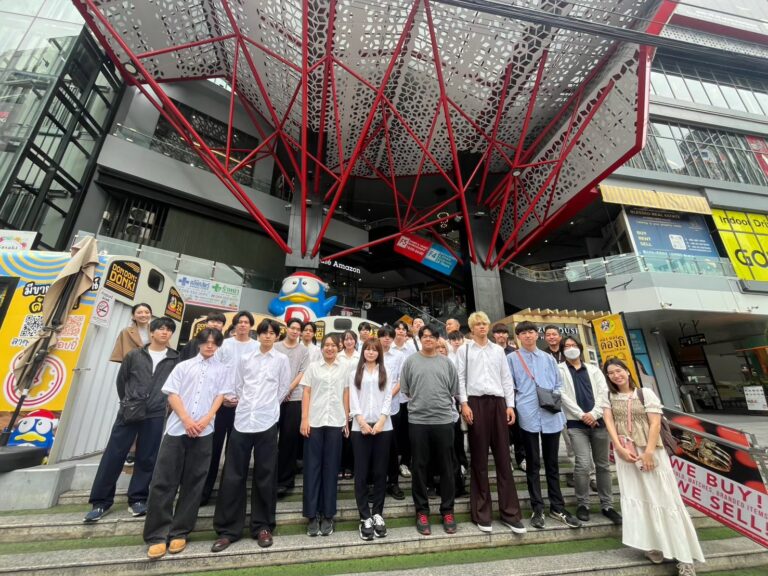
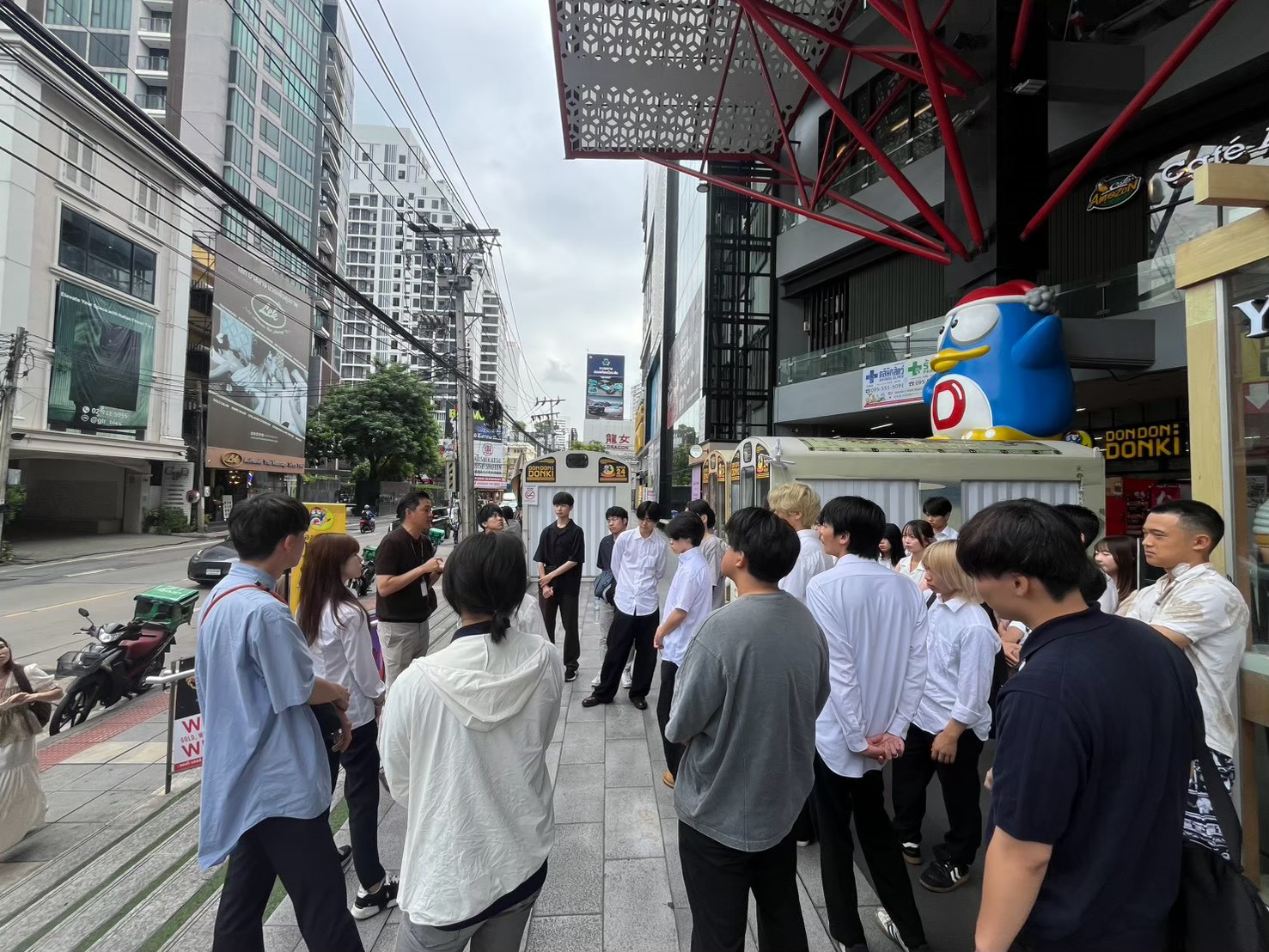
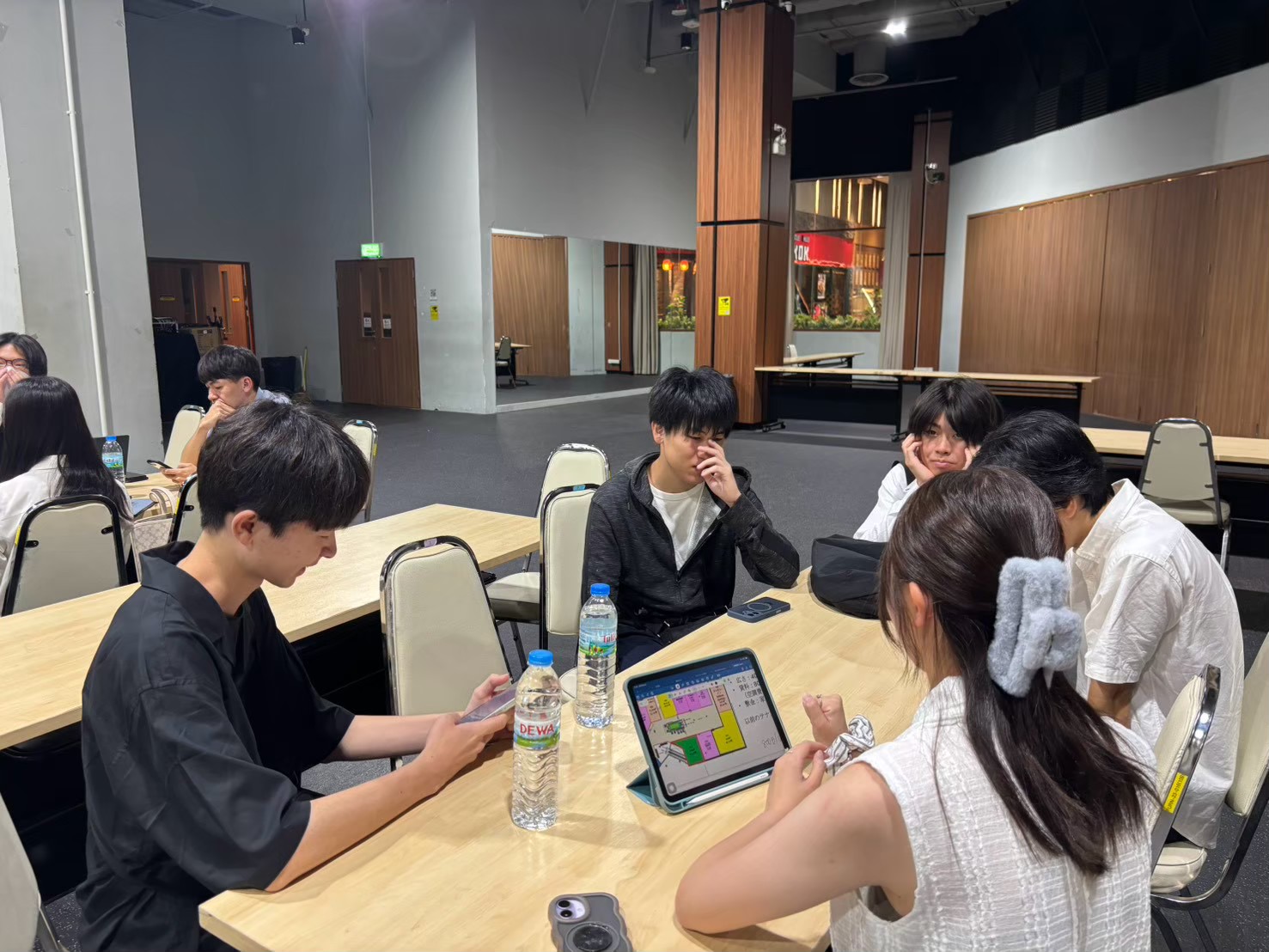
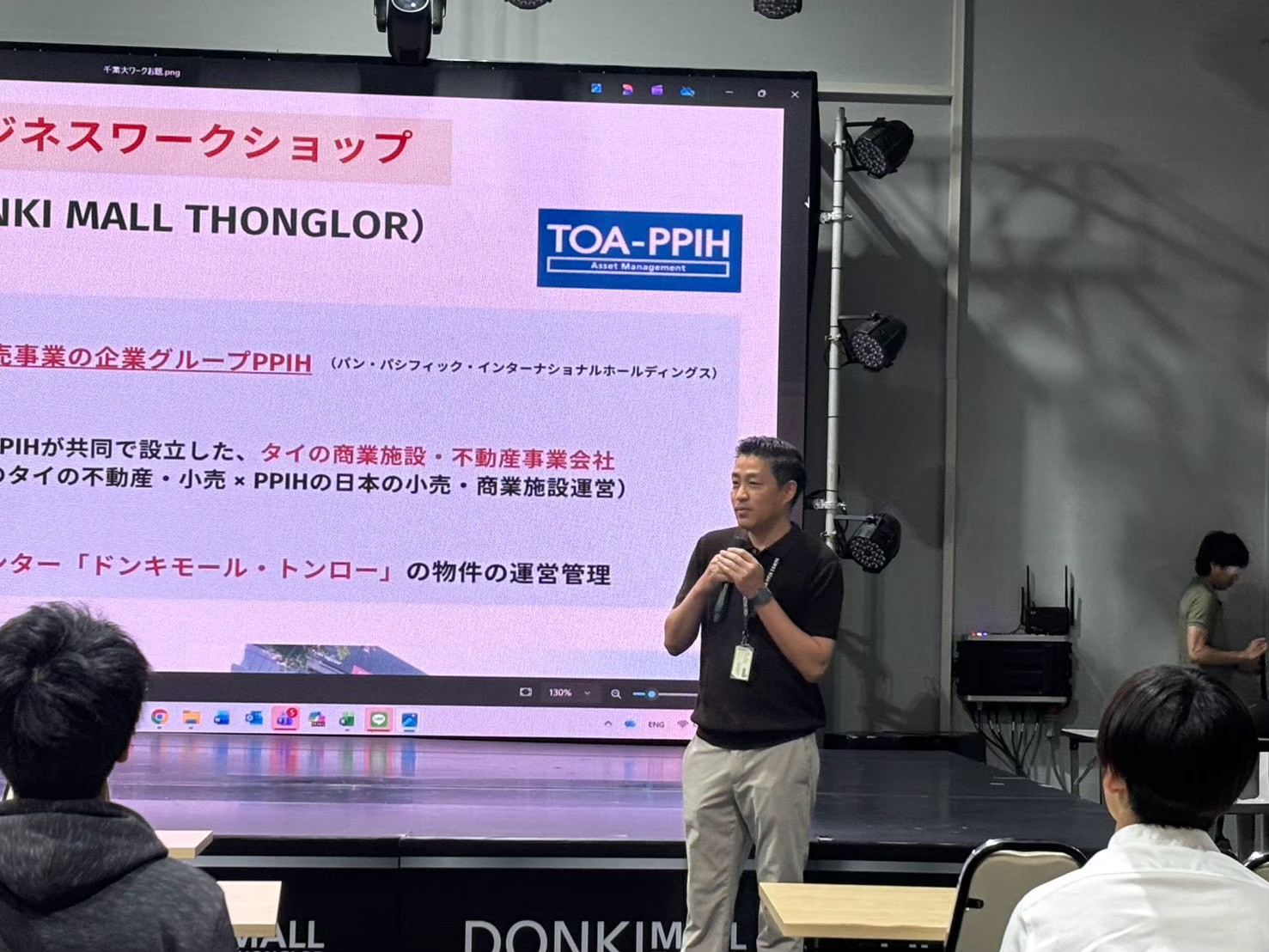
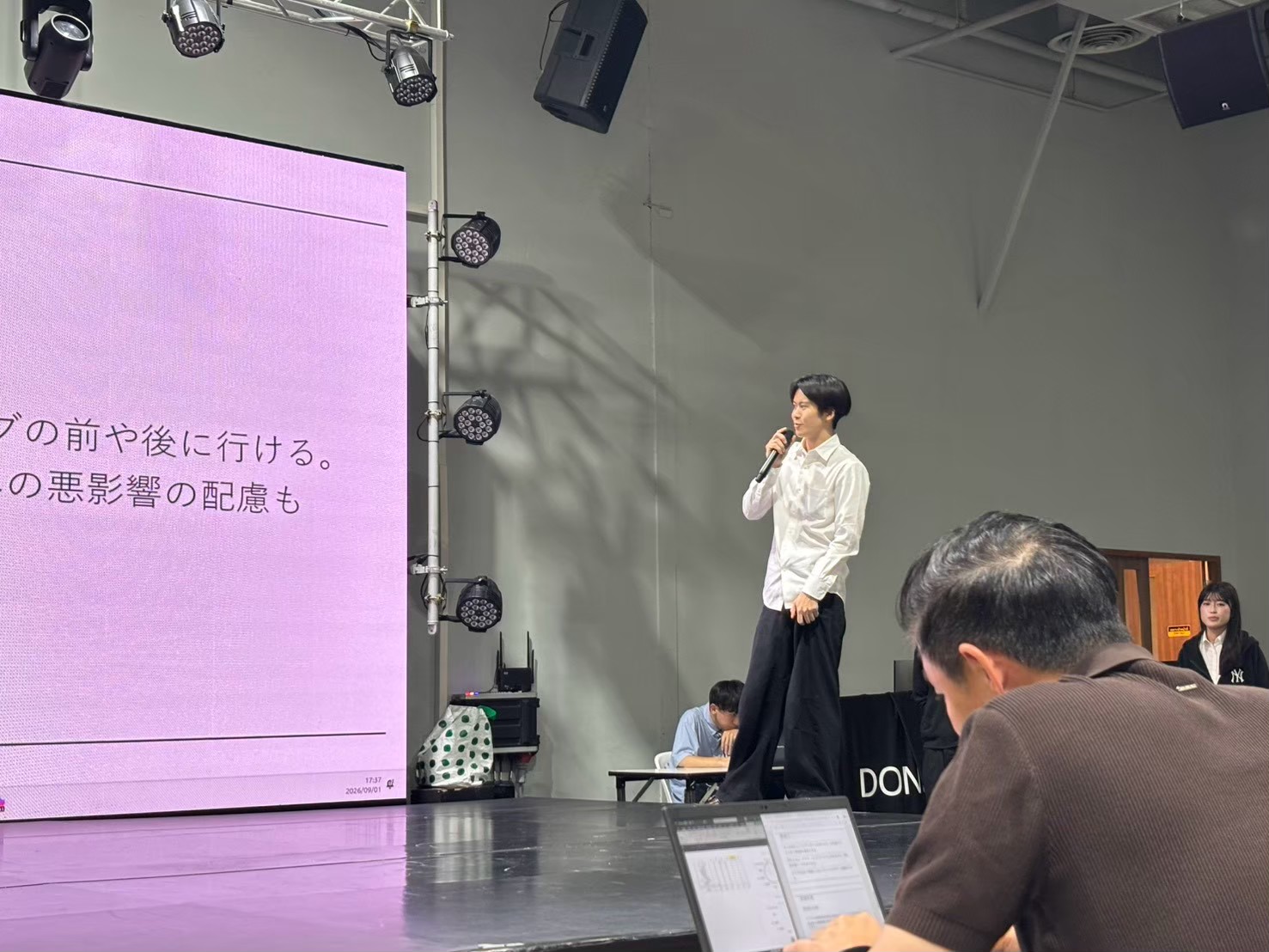
On the next day, the delegation conducted a corporate site visit to Donki Mall Thonglor, the popular Japanese shopping mall managed by DONKI (Thailand) Co., Ltd. and JCE-TOA Co., Ltd. The itinerary opened with a comprehensive company briefing and guided facility tour, followed by a hands-on business workshop. Under the guidance and prompt provided by Mr. Hiroshi Tanaka, Chief Operating Officer of TOA-PPIH Co., Ltd., students developed creative solutions and presented their ideas to corporate leaders, gaining valuable exposure to retail management and cross-border business strategies.
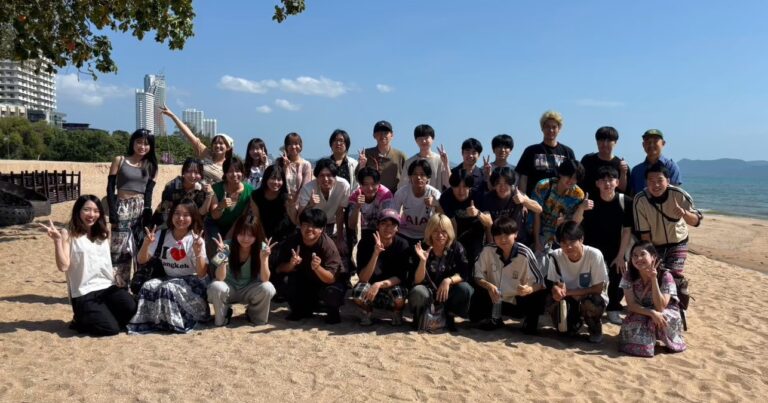
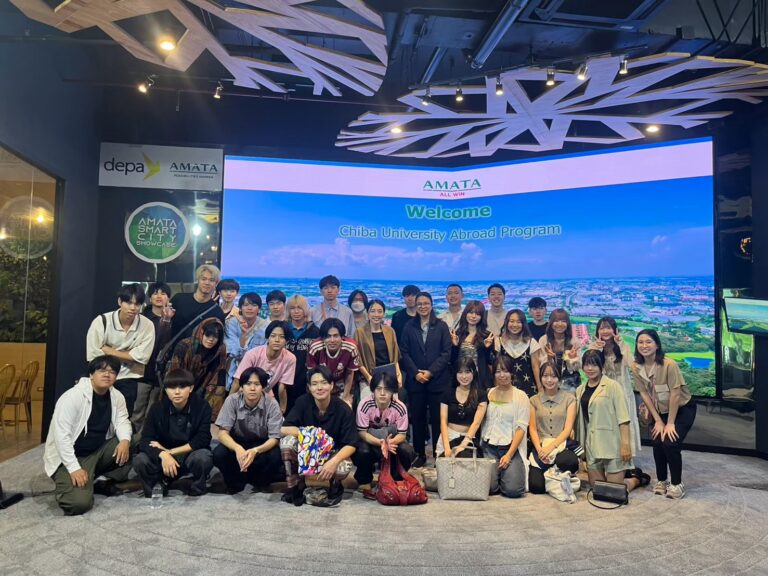
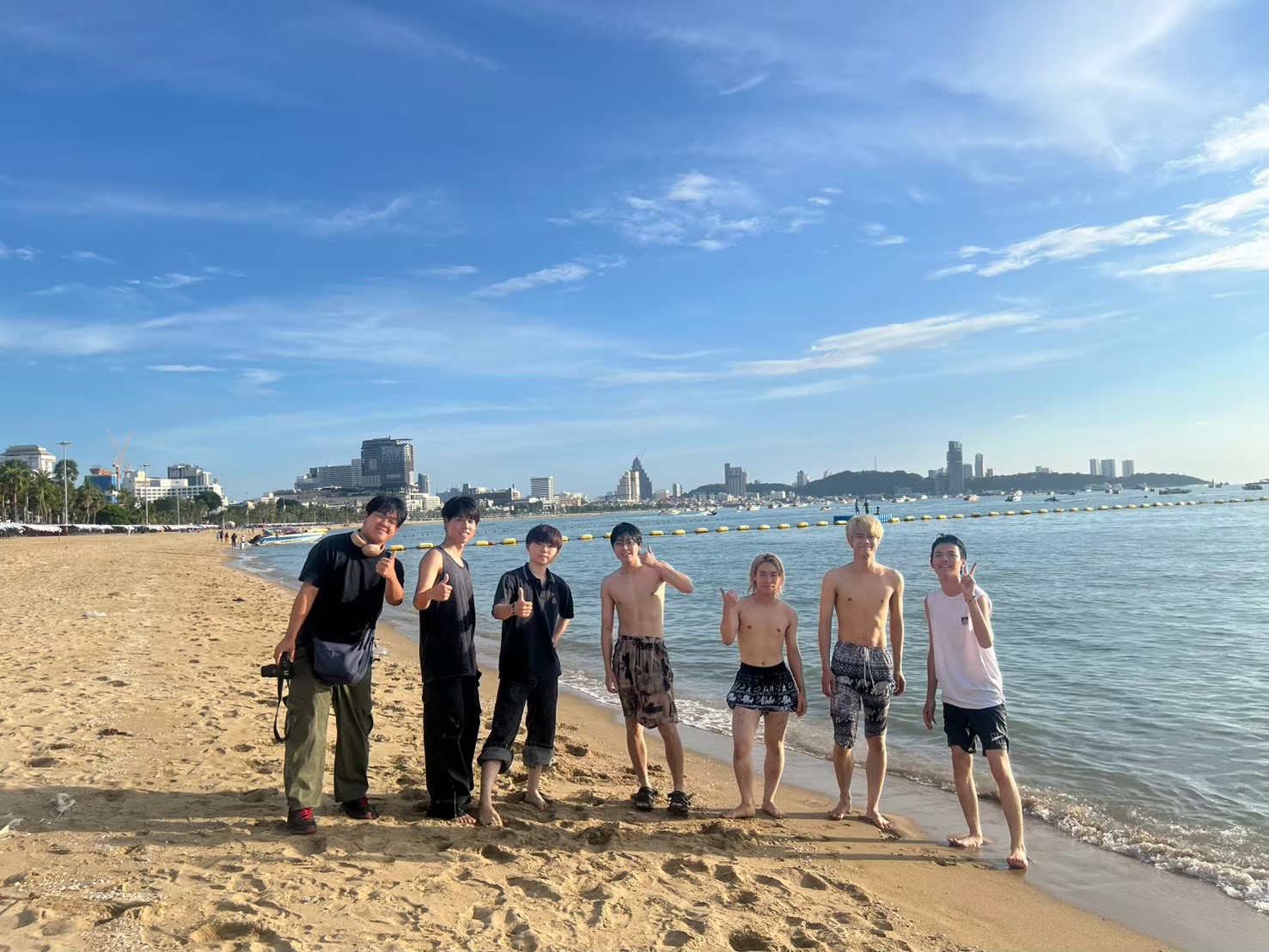
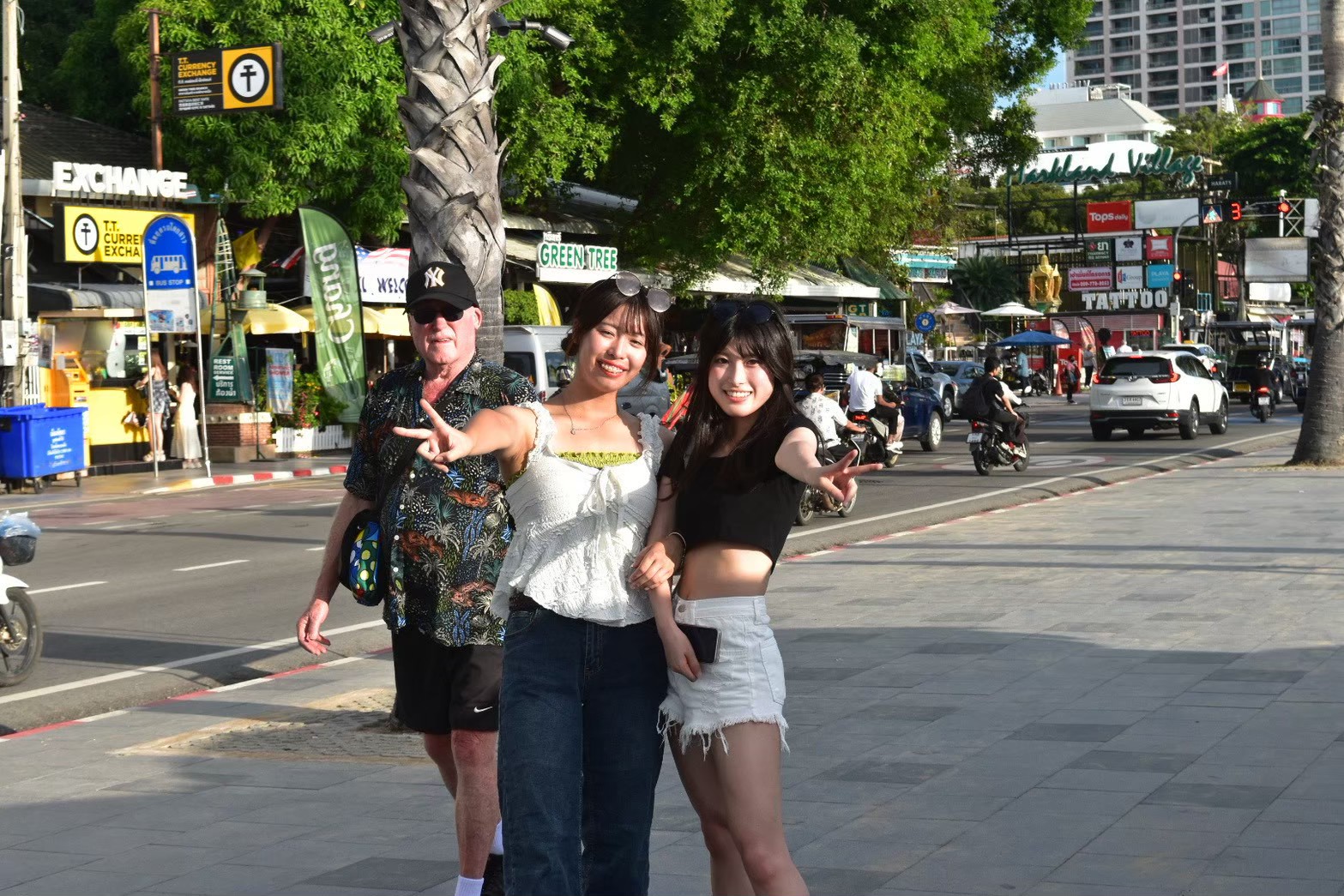
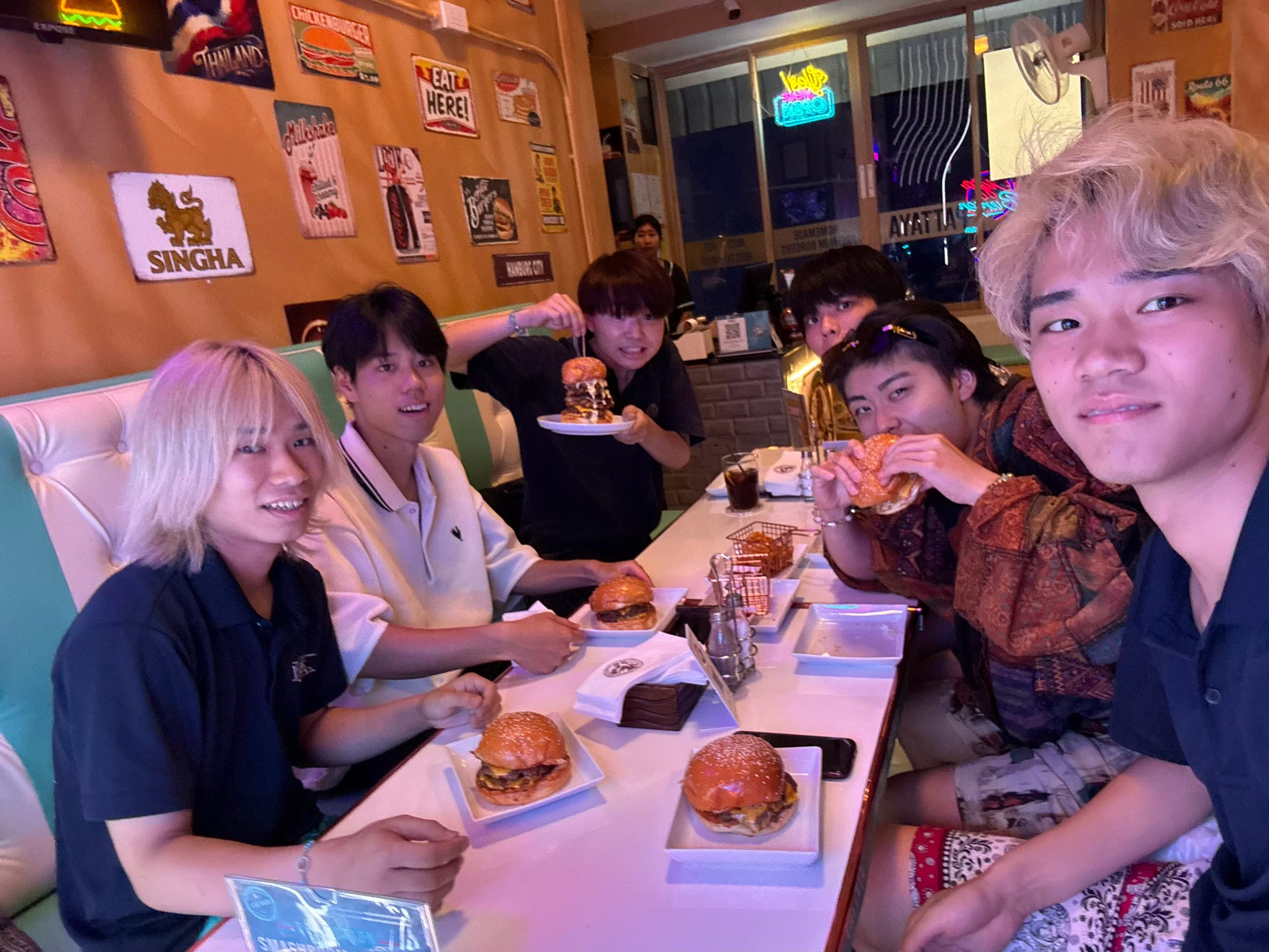
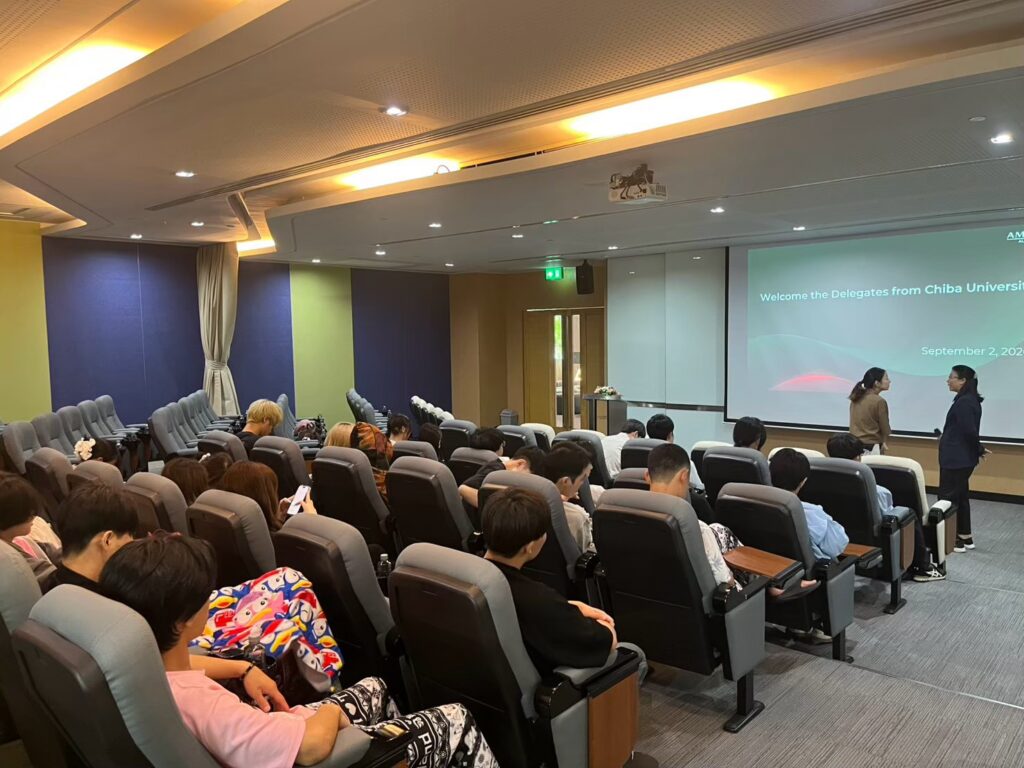
Finally,students traveled to Chonburi, a key strategic province driving Thailand’s Eastern Economic Corridor (EEC) initiative. The participants had the valuable opportunity to attend an insightful guest lecture and learn directly from industry staff at AMATA City Chonburi, deepening their understanding of smart city initiatives, industrial logistics, and regional economic strategy. After a long learning session, they enjoyed celebrating their trip with a night in Pattaya.
After days filled with diverse and immersive experiences, the students spent time reflecting on their journey and synthesizing the valuable lessons learned throughout the program. With cherished memories and lifelong cross-cultural friendships, the group safely departed for Japan.
Sophia GED is truly honored to have facilitated this transformative educational journey. We hope that each participant carries home enriched global perspectives, newfound inspiration, and unforgettable experiences from Thailand. We look forward to continuing our mission of empowering future generations through impactful educational and cultural exchanges.